
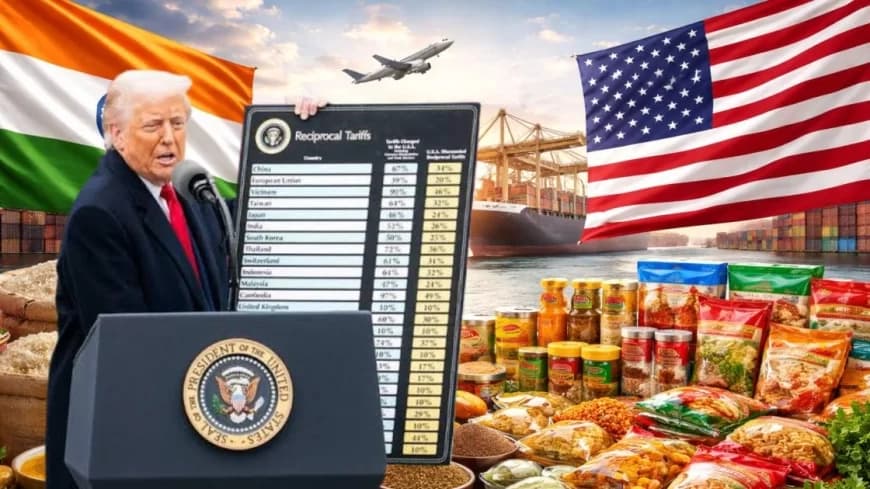
In a major development for global trade, the U.S. Supreme Court has struck down the controversial Trump-era “Liberation Day” tariffs in a 6–3 ruling. The judgment removes steep duties that had impacted several Indian exports, especially food products and FMCG goods.
For India’s food industry, the question now is clear: does this ruling translate into a genuine commercial advantage in the US market?
Why Did the US Supreme Court Cancel the Tariffs?
The Court ruled that the executive branch exceeded its authority by imposing broad-based import tariffs without Congressional approval. The decision effectively eliminates:
The 10% baseline tariff
The additional 25% reciprocal duty
Other related trade penalties affecting Indian goods
Although a prior India–US trade arrangement had lowered effective rates, exporters continued to face uncertainty. This ruling offers stronger legal clarity and restores confidence for long-term export planning.
SEO keywords integrated: US Supreme Court tariff ruling, Trump tariffs cancelled, India US trade news 2026.
What It Means for Indian Food Exports to the USA
Relief for Basmati Rice, Pulses & Staples
Indian exporters of basmati rice, organic pulses, and processed grains were operating under thin margins. Many had absorbed part of the tariff burden to maintain shelf space in American retail chains.
Now, with tariffs removed:
Profit margins are likely to improve
Pricing can become more competitive
Export volumes may increase
US buyers may expand sourcing from India
Lower landed costs could also benefit American consumers who rely on Indian staples.
Spices & Condiments Regain Competitive Advantage
India is one of the world’s largest spice exporters. However, higher tariffs had weakened its pricing edge against suppliers from Southeast Asia and Latin America.
With duties scrapped, Indian turmeric, cumin, chilli powder, garam masala, and ready spice blends could regain their cost advantage. This is particularly significant for ethnic grocery chains and specialty retailers in the US.
Indian FMCG Brands Eye Stronger US Expansion
The ruling also strengthens prospects for Indian FMCG brands such as:
Amul
Tata Consumer Products
Dabur
Categories expected to benefit include:
Ayurvedic personal care
Traditional snacks and namkeen
Ready-to-eat Indian meals
Dairy-based products
Industry estimates suggest that landed costs for certain categories may drop by 15–20%, improving distributor margins and retail competitiveness.
Market Reaction: Positive Signals from FMCG Stocks
Following the news, India’s FMCG index recorded gains, reflecting investor optimism around export-driven companies. Analysts believe that reduced trade uncertainty could encourage:
Capacity expansion
New product launches for overseas markets
Increased marketing investments in North America
The removal of what traders often called “policy risk” may unlock fresh export momentum.
The Bigger Question: Is the Battle Truly Over?
While tariffs have been struck down, experts caution that compliance challenges remain.
Indian exporters must now focus on:
Strict adherence to FDA food safety standards
USDA sanitary and phytosanitary regulations
Accurate labelling and traceability systems
Trade dynamics are shifting from tariff barriers to non-tariff regulatory barriers. Meeting global quality standards will determine long-term success.
A Window of Opportunity for Indian Brands
The US Supreme Court’s decision could mark a turning point in India–US trade relations. For Indian food exporters and FMCG companies, it removes a major cost burden and restores stability.
However, sustainable growth will depend not just on lower tariffs but on consistent quality, regulatory compliance, and strong distribution partnerships in the American market.
The opportunity is real—but execution will decide the winners.
FAQs
1. Why did the US Supreme Court cancel Trump-era tariffs?
The Court ruled that the executive branch lacked constitutional authority to impose broad tariffs without Congressional approval.
2. How will this impact Indian food exports to America?
Indian exporters may see improved margins, lower landed costs, and increased competitiveness in the US market.
3. Will Indian products become cheaper in the US?
Reduced import duties could lower retail prices for basmati rice, spices, snacks, and Ayurvedic products.
4. Which sectors benefit the most?
Food staples, spices, ready-to-eat meals, dairy, and personal care segments are expected to benefit significantly.
5. Are there still risks for exporters?
Yes. Regulatory compliance with US food safety and labelling standards remains critical for sustained growth.