
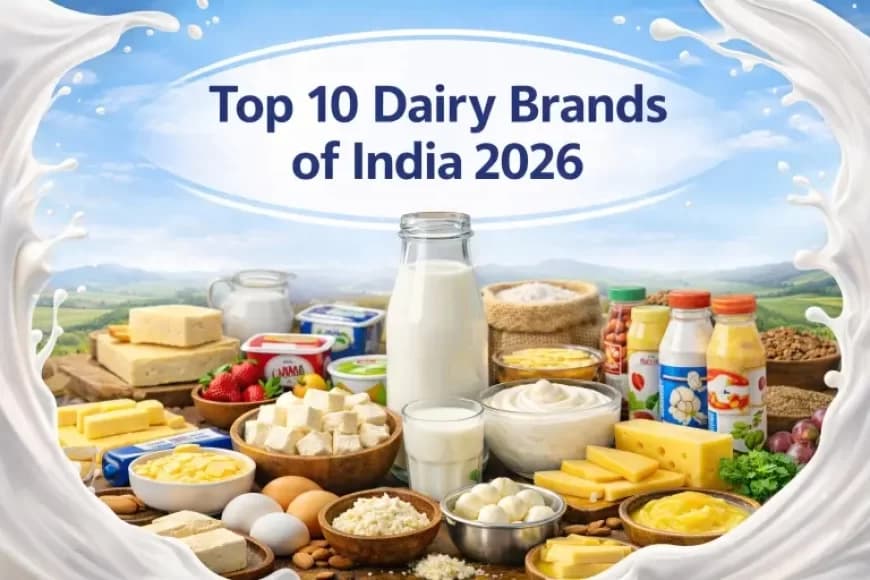
India’s dairy industry in 2026 has evolved into a highly competitive, technology-driven ecosystem where brands are no longer fighting only for shelf space in local kirana stores. The new battleground is increasingly digital—especially through Quick Commerce (Q-Commerce) platforms such as Blinkit, Zepto, Swiggy Instamart, and BigBasket.
Milk, curd, paneer, butter, cheese slices, and yogurt have become the fastest-moving daily essentials on these apps. With the rise of 10-minute delivery culture, dairy brands are now optimizing product packaging, distribution, and pricing specifically for Q-commerce demand.
Quick Snapshot: What’s Driving India’s Dairy Boom in 2026?
The Indian dairy market is being reshaped by multiple strong forces, including:
Urban lifestyle changes and rising demand for packaged dairy
Premiumization of products like cheese, Greek yogurt, whey drinks, and probiotic curd
Growth of subscription milk delivery apps
Improved cold-chain logistics
Expansion of dark stores by Zepto, Blinkit, and Instamart
Strong growth of organized dairy consumption compared to loose milk markets
In short, dairy is no longer a slow-moving commodity sector—it is now one of the most strategic categories for both FMCG giants and e-commerce platforms.
Top 10 Dairy Brands in India (2026) – Market Leaders and Their Channel Strategy
1. Amul (GCMMF) – The Market Behemoth of Indian Dairy
Amul, owned by the Gujarat Cooperative Milk Marketing Federation (GCMMF), continues to be India’s most powerful dairy brand in 2026. It remains the only dairy company with true pan-India distribution, unmatched farmer strength, and a global presence in exports.
Why Amul is #1 in 2026
Amul is on track to touch or surpass the ₹1 lakh crore revenue milestone by the end of FY26, positioning it among India’s largest FMCG players.
Key Performance Indicators
Revenue (FY26 projected): ~₹1,00,000 crore
Market Share: ~28% in the organized dairy sector
Farmer Network: 3.6 million farmers
Market Presence: 1,200+ cities across India
Retail Availability: 1 million+ retail outlets including Amul parlours
Channel Strategy
Amul continues to dominate offline, but its digital expansion has accelerated.
Offline sales: 85%
Online/Q-commerce sales: 15%
Q-Commerce Performance
Amul has emerged as the #1 dairy brand on Zepto and Blinkit, particularly for high-frequency products such as:
butter
curd cups
milk pouches
cheese
flavored milk
The company’s “Super Milk” and high-protein dairy variants are reportedly gaining significant traction among urban customers seeking fitness-oriented dairy consumption.
Industry Insight:Amul’s strength lies in one key advantage—scale + affordability + availability, making it the most consistent brand across both Tier-1 and Tier-2 markets.
2. Mother Dairy – The Urban Staple With Strong North India Control
Mother Dairy, a subsidiary of the National Dairy Development Board (NDDB), is widely recognized as one of the strongest dairy brands in India’s urban markets. Once considered a Delhi-centric player, Mother Dairy has successfully expanded its footprint and diversified into premium segments.
Key Performance Indicators
Revenue (FY25): ₹17,500 crore
Growth Rate: 16% YoY
Market Share: Over 60% in Delhi-NCR liquid milk segment
Profit Growth: ~14% increase in PAT
Channel Strategy
Offline sales: 80%
Online/Q-commerce sales: 20%
Q-Commerce and Online Growth
Mother Dairy has strengthened its app-driven strategy through partnerships with:
BigBasket
Swiggy Instamart
Products under its popular lines like Safal and Nutrifit have gained strong online demand.
Category Performance
Mother Dairy performs exceptionally well in:
buffalo milk
curd
probiotic dairy drinks
ice cream
Seasonal Advantage:Mother Dairy’s ice cream sales spike during summer, and Instamart has become a major driver of that demand through rapid delivery.
3. Nandini (KMF) – South India’s Cooperative Giant Goes National
Nandini, managed by the Karnataka Milk Federation (KMF), remains one of India’s most powerful regional dairy cooperatives. However, 2026 marks a major shift—Nandini is no longer satisfied being “Karnataka’s pride.” It is actively pushing into metro cities and international markets.
Key Performance Indicators
Revenue (FY25): ~₹28,000 crore
National Market Share: ~10%
Dominance in Karnataka: ~80%
Presence: 100+ cities
New Expansions: Delhi, Mumbai, UAE markets
Channel Strategy
Offline sales: 92%
Online/Q-commerce sales: 8%
Q-Commerce Growth
While Nandini is still heavily offline-led, its online growth is visible in Bengaluru through:
BB Daily subscriptions
Blinkit
Strongest Product Categories
Nandini is particularly strong in:
ghee
milk
curd
sweets and traditional dairy snacks
Key Challenge:Nandini’s biggest opportunity is national scaling, but its biggest limitation remains low online penetration compared to private brands.
4. Hatsun Agro Product (HAP) – India’s Largest Private Dairy Company
Hatsun Agro Product is one of India’s most successful private dairy companies, best known for brands like Arokya and Arun Ice Cream. The company has emerged as the top private dairy player by revenue, driven by premium products and strong retail networks.
Key Performance Indicators
Revenue (FY25): ~₹9,500 crore
Profit Growth: Net profit up ~40% YoY
Strongest Region: Tamil Nadu
Presence: 6 states
Channel Strategy
Offline sales: 90%
Online/Q-commerce sales: 10%
Q-Commerce Performance
Hatsun’s ice cream business has become a major “dark store favourite,” especially through:
Zepto
Blinkit
Growth Drivers
The company’s strongest advantage is its extensive retail network of HAP Daily outlets, which ensures consistent daily sales.
Premiumization Strategy:Hatsun is benefitting from India’s growing demand for premium packaged milk and branded ice creams—categories that have higher margins than liquid milk.
5. Heritage Foods – Value-Added Dairy Specialist with High Online Penetration
Heritage Foods has become one of the fastest-growing dairy companies in the value-added products segment. Unlike cooperative models that rely heavily on liquid milk, Heritage has focused on profitable dairy categories such as yogurt, paneer, and cheese.
Key Performance Indicators
Revenue (FY25): ~₹4,134 crore
Net Profit Growth: ~77% jump YoY
Channel Strategy
Offline sales: 75%
Online/Q-commerce sales: 25%
This makes Heritage one of the highest online-penetrated dairy brands in India.
Q-Commerce Strength
Heritage products perform extremely well in metro markets such as:
Hyderabad
Chennai
Their paneer and curd have reportedly become “hero products” on Blinkit in select regions due to high daily repeat purchases.
Key Advantage:Heritage is strategically positioned to win in Q-commerce because its product mix is already focused on high-margin, delivery-friendly categories.
Comparative Market Table (2025–2026): Top Dairy Brands Performance
Here’s a clear comparison of major dairy brands based on product range, city presence, Q-commerce contribution, and growth drivers:
Brand Product Portfolio Key Markets Q-Commerce Share Primary Growth Driver Amul 200+ products 1200+ cities 15% Cheese, butter, milk powders Mother Dairy 100+ products 100+ cities 20% Buffalo milk, probiotics Nandini 70+ products 100+ cities 8% Ghee, sweets, curd Hatsun Agro 50+ products 500+ cities 10% Premium ice creams Heritage Foods 60+ products Key metros 25% Paneer, yogurt, curd Parag Milk Foods 60+ products 300+ cities 30% Cheese, whey, premium milk
6. Parag Milk Foods (Go Cheese, Gowardhan, Pride of Cows) – The Most Digital-First Dairy Brand
Parag Milk Foods stands out in 2026 as one of India’s most “modern” dairy brands. Unlike cooperative giants, Parag has positioned itself as a premium and urban-focused player with strong digital dominance.
Key Channel Strategy
Online sales: 40%
Offline sales: 60%
Q-commerce contribution: among the highest in the industry
Market Strength
Parag is currently one of the strongest brands in the processed cheese segment, particularly through its flagship product line:
Go Cheese slices
cheese cubes
cheese spreads
Q-Commerce Performance
Parag is reported to be a market leader in processed cheese categories on:
Zepto
Blinkit
Its premium milk brand Pride of Cows continues to target high-income metro consumers.
Why Parag is winning:Parag’s portfolio aligns perfectly with Q-commerce demand: cheese, whey, spreads, and premium milk are all high-repeat products.
7. Dodla Dairy – Regional Strength with International Expansion
Dodla Dairy remains a strong player in the South Indian dairy ecosystem. What makes Dodla unique is its growing international operations, particularly in Africa.
Key Performance Indicators
Revenue: ~₹3,720 crore
Channel Strategy
Dodla has focused heavily on:
direct-to-home subscriptions
own app-based distribution
third-party subscription tie-ups
Dodla is quietly building a strong recurring revenue model through subscription customers.
8. Nestlé India (Dairy Segment) – The Dairy Nutrition Leader
Nestlé does not compete in liquid milk but remains one of the most influential dairy companies in India’s processed dairy segment.
Market Position
Nestlé dominates the dairy nutrition and pantry segment with brands like:
Milkmaid (condensed milk)
Everyday (milk powder)
Channel Split
Online share: ~15% (mainly Amazon/Flipkart + online grocery)
Strength
Nestlé’s strength is brand trust and repeat consumption. Products like milk powder and condensed milk remain pantry staples in Indian households, ensuring stable demand across seasons.
9. Milky Mist – Premium Paneer and Yogurt Disruptor
Milky Mist has positioned itself as a high-quality, premium dairy disruptor. The brand has become highly popular in the paneer and curd segment, especially among urban consumers.
Key Competitive Advantage
Milky Mist is considered one of the strongest private brands in cold-chain infrastructure, helping it ensure product freshness and faster delivery distribution.
Q-Commerce Advantage
The brand frequently offers exclusive large-pack paneer deals on:
Swiggy Instamart
other Q-commerce platforms
This bulk-pack strategy helps Milky Mist drive higher cart value and household stocking behavior.
10. Britannia Dairy – A Value-Added Dairy Player Focused on Cheese
Britannia has strengthened its dairy business by focusing on high-margin processed dairy categories rather than liquid milk.
Product Focus
Britannia Dairy focuses on:
cheese slices
cream cheese
dairy beverages
Strategic Expansion
Britannia’s joint venture with Bel Group (The Laughing Cow) has played a key role in improving its product competitiveness and expanding its market position in the cheese segment.
Profitability Boost
The brand has reportedly achieved around 15% YoY profit growth in its cheese category, supported by premium product demand and stronger urban penetration.
The Q-Commerce Dairy Wars: Blinkit, Zepto and Instamart Driving the Next Growth Wave
In 2026, dairy is considered one of the most critical “anchor categories” for Q-commerce platforms. Unlike snacks or packaged foods, dairy products drive:
daily repeat orders
subscription retention
higher app engagement
Why Dairy is Perfect for 10-Minute Delivery
Dairy products are:
consumed daily
low shelf-life (forcing repeat buying)
essential for breakfast and cooking
impulse-driven (especially curd, paneer, butter, cheese)
How Brands Are Adapting
Dairy brands are now customizing products specifically for Q-commerce, including:
leak-proof pouches
smaller SKU packs
compact bottles and tetra packs
stronger tamper-proof packaging
improved temperature resistance for delivery riders
This shift is creating a new form of competition where product engineering and packaging design directly influence sales.
Subscription Milk Delivery: The Silent Revolution in Tier-1 Cities
One of the biggest transformations in India’s dairy ecosystem is the movement of milk subscriptions away from local milkmen and toward app-driven platforms.
Platforms driving this trend include:
BB Daily
Milkbasket
brand-owned subscription services
Estimated Market Impact
Milk subscriptions now contribute nearly 12% of organized milk sales in Tier-1 cities, reflecting a major behavior shift among urban households.
Why Consumers Prefer Subscriptions
predictable delivery timing
online payments and cashback offers
hygiene trust
consistent quality
easy plan upgrades
This trend is likely to expand rapidly into Tier-2 cities as Q-commerce expands.
India’s Dairy Industry is No Longer Just Rural—It’s Digital, Premium and Metro-Driven
India’s dairy sector in 2026 is at a major turning point. While cooperative giants like Amul and Nandini still dominate the backbone of milk procurement and distribution, private players like Hatsun, Heritage, Parag, and Milky Mist are building faster growth through premium categories and online-first sales strategies.
With Blinkit, Zepto, and Instamart rapidly scaling their dairy offerings, the next phase of dairy leadership will be decided by three key factors:
Cold chain efficiency
Premium product innovation
Q-commerce and subscription dominance
The future of dairy in India is clearly shifting from only “supply chain strength” to consumer convenience and digital visibility.
FAQ: Top Dairy Brands in India (2026)
Q1. Which is the largest dairy brand in India in 2026?
Amul (GCMMF) remains India’s largest dairy brand in 2026, with projected revenue nearing ₹1 lakh crore and the strongest pan-India presence.
Q2. Which dairy brands are strongest on Blinkit and Zepto?
Brands such as Amul, Mother Dairy, Parag Milk Foods, Heritage Foods, and Milky Mist are among the best-performing dairy brands on Q-commerce platforms.
Q3. Which is the biggest private dairy company in India?
Hatsun Agro Product is currently considered India’s largest private dairy company by revenue, driven by Arokya milk and Arun ice creams.
Q4. Why is Q-commerce becoming important for dairy in India?
Because dairy is a daily consumption product category. Q-commerce offers instant access, leading to higher repeat orders and making it a key market battleground.
Q5. How much of organized milk sales are coming from subscriptions?
In Tier-1 cities, milk subscription apps like BB Daily and Milkbasket now contribute close to 12% of organized milk sales, and the number is rising.
Q6. Which dairy segment is growing fastest in India?
Value-added dairy products like cheese, yogurt, paneer, probiotic drinks, and high-protein milk are among the fastest-growing categories in 2026.