
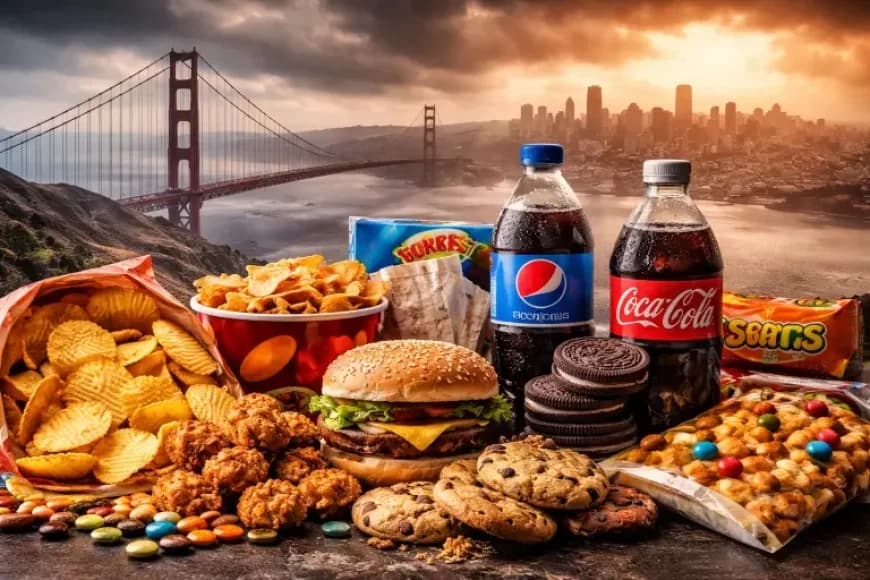
A major legal battle is unfolding in the United States as San Francisco takes several global food corporations to court. City officials claim that some of the world’s biggest food companies intentionally designed ultra-processed foods to encourage overconsumption and long-term dependency.
The case has entered the discovery phase, meaning internal documents, research data, and corporate communications could soon become public.
A Historic Case Against Global Food Giants
San Francisco’s legal complaint targets some of the most recognizable names in the global food industry. According to the filing, the companies allegedly used scientific research and product engineering to maximize cravings and repeat consumption.
The companies named in the case include:
The Coca-Cola Company
PepsiCo
Mondelez International
General Mills
Kellanova / WK Kellogg Co
Post Holdings
Nestlé USA
Kraft Heinz
Conagra Brands
Mars Incorporated
These companies collectively dominate the packaged food and beverage market across the United States and globally.
City Attorney David Chiu argues that these corporations knowingly created products that could harm public health while generating massive profits.
The Core Allegation: Engineering Food for Addiction
At the center of the lawsuit is the claim that ultra-processed foods (UPFs) were intentionally designed to override natural hunger signals.
The complaint argues that manufacturers optimized the “bliss point”—a specific balance of sugar, salt, and fat—to trigger pleasure responses in the brain. Critics say this strategy encourages consumers to keep eating even when they are full.
Legal experts note that the lawsuit compares the strategy to tactics used by the tobacco industry decades ago.
The city claims some food brands were once owned by tobacco companies, which allegedly transferred knowledge about behavioral science, cravings, and habit-forming product design.
Health Risks Linked to Ultra-Processed Foods
The lawsuit relies heavily on recent scientific research connecting high consumption of ultra-processed foods to a wide range of health issues.
Studies referenced in the case link UPFs to more than 30 chronic health conditions, including:
Metabolic disorders
Type 2 diabetes
Obesity
Fatty liver disease
Cardiovascular and organ diseases
Heart disease
Kidney disease
Mental and neurological effects
Depression
Cognitive decline in younger populations
Cancer risks
Particularly colorectal cancer linked to certain additives and emulsifiers.
Public health officials argue that these conditions are increasing healthcare costs for cities and taxpayers.
Marketing Practices Under Scrutiny
Another major focus of the lawsuit involves advertising strategies used by food companies.
City officials claim billions of dollars are spent annually promoting processed snacks and sugary drinks, particularly to younger audiences.
The legal filing also highlights disparities in advertising exposure. According to the complaint, children in Black and Latino communities reportedly see significantly more marketing for ultra-processed foods compared with white children.
Officials argue that such targeted campaigns may have contributed to rising diabetes and obesity rates in some communities.
Food Industry Responds
The food industry has strongly rejected the allegations.
The Consumer Brands Association, which represents many packaged food manufacturers, has described the case as legally weak.
Industry representatives argue that:
Ultra-processed foods do not have a single scientific definition.
Their products comply with all U.S. food safety and labeling regulations.
Food choices ultimately depend on individual lifestyle decisions.
Legal analysts say this defense could become central as the case moves forward.
Why This Case Could Change the Food Industry
Experts believe the lawsuit could become one of the most significant food policy battles in decades.
If the court rules in favor of San Francisco, companies may be required to contribute billions of dollars toward public health programs.
Potential long-term impacts could include:
Stricter regulations on processed food ingredients
New labeling requirements
Advertising restrictions aimed at children
Reformulation of popular snacks and beverages
Some analysts compare the potential consequences to the historic tobacco settlements of the late 1990s.
The discovery phase is expected to reveal internal research, marketing strategies, and product design data from the companies involved.
Public health advocates believe this information could reshape the conversation about diet, nutrition, and corporate responsibility.
Regardless of the outcome, the case is already intensifying global debate about ultra-processed foods and their role in modern diets.
Frequently Asked Questions (FAQ)
What is the San Francisco Big Food lawsuit about?
The lawsuit claims major food companies designed ultra-processed foods to be addictive and harmful, contributing to chronic health problems and public healthcare costs.
Which companies are involved in the case?
Major companies named include Coca-Cola, PepsiCo, Nestlé USA, Kraft Heinz, General Mills, Mondelez, Mars, and others.
What are ultra-processed foods?
Ultra-processed foods are industrially manufactured products that contain additives, artificial ingredients, preservatives, and refined sugars or fats.
Why is the lawsuit comparing food companies to tobacco companies?
The case argues that similar behavioral science and product engineering methods were used to encourage repeated consumption.
What could happen if San Francisco wins?
A victory could lead to major settlements, new food regulations, marketing restrictions, and changes in how processed foods are produced and labeled.