

In the newest TasteAtlas ranking of the 100 Best Food Cities in the World, six Indian cities have found their rightful place on the global culinary map — and it’s not hard to see why. Beyond the spice-laden kitchens and crowded street stalls, these cities embody a living history of migration, trade, royal patronage, and local ingenuity that have shaped their unique food cultures over centuries.
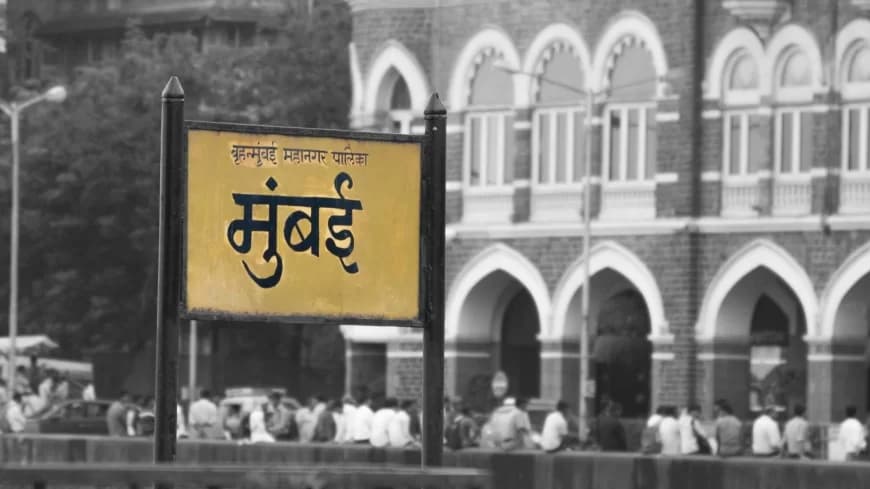
Leading this proud list is Mumbai, ranked an impressive 5th globally, ahead of many renowned gastronomic capitals. Also featured are Amritsar (43rd), Delhi (45th), Hyderabad (50th), Kolkata (71st), and Chennai (75th). Together, they highlight how India’s extraordinary food diversity continues to win hearts and palates worldwide.
Mumbai: A melting pot where the street is the stage
Mumbai’s ranking reflects a city where food is as fast, diverse, and dynamic as the city itself. From keema pavs at humble Irani cafés to spicy koliwada prawns and addictive chaats in every neighbourhood, Mumbai’s cuisine is loud, layered, and welcoming.
What truly sets Mumbai apart is its openness: it seamlessly weaves together Koli fishing traditions, South Indian snacks, Parsi bakery classics, and migrant-inspired dishes. The city’s food scene isn’t about just what’s served in fine-dining spots — it’s about how daily life pulses around vada pav stalls, coastal seafood shacks, and late-night khau gallis.
Amritsar: Land of ghee, grace, and community kitchens
Ranked 43rd, Amritsar’s cuisine is shaped by Punjab’s agrarian richness, religious community kitchens (like the Golden Temple’s langar), and a love for robust, comforting food. Signature dishes — from crisp Amritsari kulchas and creamy lassis to sarson da saag and makki di roti — offer warmth and depth born of slow cooking and local dairy traditions.
Its food culture reflects not just taste, but the region’s ethos of sharing and generosity — traits that resonate globally.
Delhi: A capital city with centuries on its plate
Delhi, placed 45th, isn’t just a city — it’s a living museum of culinary history. The Mughal Empire left behind a legacy of kormas, kebabs, and biryanis, while Punjabi refugees after Partition brought chole bhature, stuffed parathas, and butter chicken into the city’s DNA.
Delhi’s food is fiercely debated and passionately defended by locals. Whether it’s street food at Chandni Chowk or Mughlai spreads at old city institutions, Delhi’s diversity tells a story of power, displacement, and reinvention.
Hyderabad: Biryani, slow cooking, and spice
In 50th place, Hyderabad stands out globally for its signature dish: the Hyderabadi biryani. But the city’s food goes deeper, with rich dishes like haleem, nihari, and pathar ka gosht, each rooted in Persian, Turkish, and Mughal influences, adapted over centuries by local cooks.
The practice of slow cooking, or dum, creates food that is both celebratory and everyday. Hyderabad’s cuisine remains grounded in spice balance and fragrance, making it globally recognizable yet uniquely local.
Kolkata: Colonial nostalgia meets Bengali comfort
At 71st, Kolkata is a city where colonial history, Bengali refinement, and bustling street life mix deliciously. British colonial influence is seen in dishes like kathi rolls and Mughlai parathas, while Bengali comfort classics include fish curry, shorshe ilish, kosha mangsho, and sweets like roshogollas and sandesh.
The food is both deeply nostalgic and innovatively modern — a balance that appeals worldwide.
Chennai: Idlis, dosas, and the culture of filter coffee
Ranked 75th, Chennai’s food identity lies in its simplicity and ritual. The crispness of a dosa, the softness of idlis, the tang of sambar, and the aroma of filter coffee — together they capture South India’s commitment to balance, tradition, and plant-forward cuisine.
Food here isn’t just what’s on the plate; it’s how it’s served on banana leaves, the order in which dishes are offered, and the unhurried pace of a tiffin breakfast.
Why these cities made the list: Culture, climate, and continuity
What unites these cities? It isn’t just famous dishes, but:
✅ Cultural layering: Migrations, empires, and trade routes introduced new ingredients and techniques that became local staples.
✅ Climate and produce: Local crops and geography shaped what people ate — from coastal seafood in Mumbai to mustard oil in Kolkata.
✅ Living traditions: Street food scenes, family recipes, and rituals keep food deeply personal and constantly evolving.
✅ Balance of taste: Iconic dishes balance spice, texture, and aroma in ways that feel comforting yet complex.
Above all, these cities tell a story of how food carries history, identity, and community across generations.