

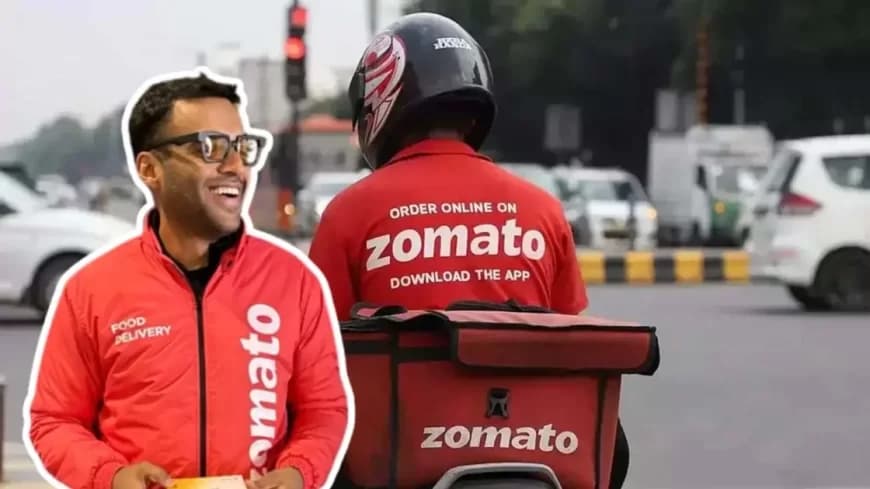
Food delivery platform Zomato has quietly raised its platform fee to ₹12 per order, up from the previous ₹10. The increase, which comes ahead of the anticipated festive season rush, is a strategic move to capitalize on the expected surge in demand and bolster the company's financial health. This marks the latest in a series of platform fee hikes by the company.
The decision by Zomato follows a similar move by its primary competitor, Swiggy, which recently hiked its own platform fee to as high as ₹14 in select cities. The tandem platform fee increase by the two market leaders highlights the intensifying focus on improving unit economics and profitability in the highly competitive Indian food delivery sector.
According to industry analysts, the small incremental Zomato hike of ₹2 per order could have a significant impact on the company's bottom line. With millions of orders processed daily, this adjustment could add an estimated ₹15-20 crore to the company’s monthly revenue, potentially translating to an additional ₹180-200 crore annually. This comes at a crucial time as growth in the online food delivery segment shows signs of tempering.
While the fee hike is a positive development for Zomato’s financials, it has been met with mixed reactions from customers. Many users have taken to social media to express frustration over the rising costs, citing that the platform fee combined with delivery charges, GST, and other levies can make ordering food online significantly more expensive than dining out. The feeling of "paying to pay more" is particularly strong among Zomato Gold subscribers who now also have to bear this charge.
The Zomato festive season strategy reflects a broader trend in the food delivery industry, where companies are moving away from deep discounting and toward more sustainable revenue models. Both Zomato and Swiggy are also heavily investing in their quick commerce businesses, such as Blinkit and Instamart, which has put pressure on their profitability.
As the festive season approaches, the focus for both companies will be on whether consumers will absorb the higher charges without a significant drop in order volume. The ongoing Swiggy vs Zomato duel for market dominance continues to evolve, with pricing and profitability now taking center stage. This latest Zomato news reinforces the companies' commitment to creating a more profitable business model, even if it means a higher cost for the end consumer.