

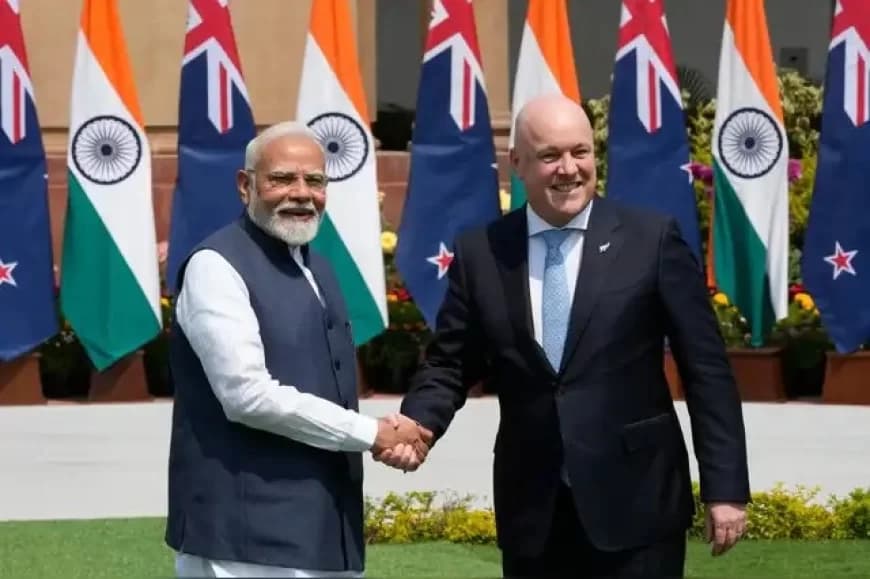
India and New Zealand have concluded negotiations for a long-awaited Free Trade Agreement (FTA), marking a significant step in strengthening bilateral economic ties. Announced after discussions between Narendra Modi and Christopher Luxon, the agreement is expected to reshape trade flows across food, agriculture and FMCG segments once formally signed in 2026.
For India’s food economy, the deal balances global market access with domestic protection—opening doors for exporters while shielding sensitive sectors such as dairy.
Dairy Sector Kept Out of the Deal
One of the most closely watched aspects of the negotiations was dairy, given New Zealand’s dominance in global milk exports.
What the Agreement Says
India has placed dairy products on the exclusion list
Items such as milk, butter, cheese, whey and casein will not see tariff reductions
Why It Matters
This safeguards millions of Indian dairy farmers and cooperatives from cheaper imports. For FMCG companies dependent on milk solids, sourcing will continue to remain domestic, ensuring supply chain stability.
Market Access for Fruits: Kiwis, Apples and Honey
While dairy remains protected, horticulture has seen partial liberalisation.
Kiwifruit Imports
New Zealand has secured a duty-free quota for kiwifruit
Imports beyond the quota will attract reduced tariffs
Premium brands such as Zespri are likely to expand their footprint in Indian metro markets, potentially lowering consumer prices.
Apples and Manuka Honey
Preferential access granted for New Zealand apples and honey
Increased competition expected for Indian premium apple growers, especially during the off-season
FMCG Packaging and Input Cost Relief
A less discussed but crucial outcome of the FTA lies in industrial inputs.
Cheaper Forestry Products
Tariffs eliminated on wood, timber and pulp imports
Direct benefit for paper, carton and sustainable packaging manufacturers
Impact on FMCG Companies
Lower packaging costs can improve margins for food brands, e-commerce players and consumer goods manufacturers reliant on paper-based packaging.
Indian Exports Get Zero-Duty Entry into New Zealand
The agreement strongly favours Indian exporters on the outbound trade front.
Key Beneficiaries
Processed foods and ready-to-eat meals
Biscuits, snacks, tea and ethnic food products
Textiles and leather goods (important for diversified FMCG groups)
With 100% duty-free access, Indian brands gain a price advantage over competitors from other exporting nations.
Investment Push and Agri-Tech Collaboration
Beyond tariffs, the FTA includes a long-term investment roadmap.
What’s Planned
Up to $20 billion in investments over 15 years
Focus on cold-chain infrastructure, food processing and agri-technology
Long-Term Benefits
New Zealand’s expertise in fresh produce logistics and post-harvest management could help India reduce food wastage and improve farm-to-market efficiency.
Key Takeaways at a Glance
Dairy fully protected from imports
Cheaper kiwis and apples for Indian consumers
Zero-duty access boosts Indian FMCG and food exports
Packaging and logistics sectors gain from lower input costs
A Balanced Trade Deal for Food and FMCG
The India–New Zealand FTA reflects a carefully negotiated balance between global integration and domestic protection. While Indian consumers and exporters stand to gain from lower tariffs and wider market access, the exclusion of dairy ensures rural livelihoods remain secure. As implementation begins in 2026, the agreement is likely to influence pricing, sourcing strategies and investment decisions across the food and FMCG ecosystem.
FAQs
Q1. Will New Zealand dairy products enter India at cheaper prices?No. Dairy products are excluded from the FTA, and existing import duties will continue.
Q2. When will the FTA benefits come into effect?The agreement is expected to be signed in early 2026, with tariff changes rolling out a few months after ratification.
Q3. Which Indian sectors benefit the most from the FTA?Processed foods, FMCG exports, textiles, leather goods and packaging-related industries are key beneficiaries.
Q4. Will fruit prices drop in India?Premium fruits like kiwis and imported apples may become more affordable, especially in urban markets.
Q5. Does the FTA include investment commitments?Yes. New Zealand has indicated long-term investment support, particularly in agri-tech, cold chains and food infrastructure.