
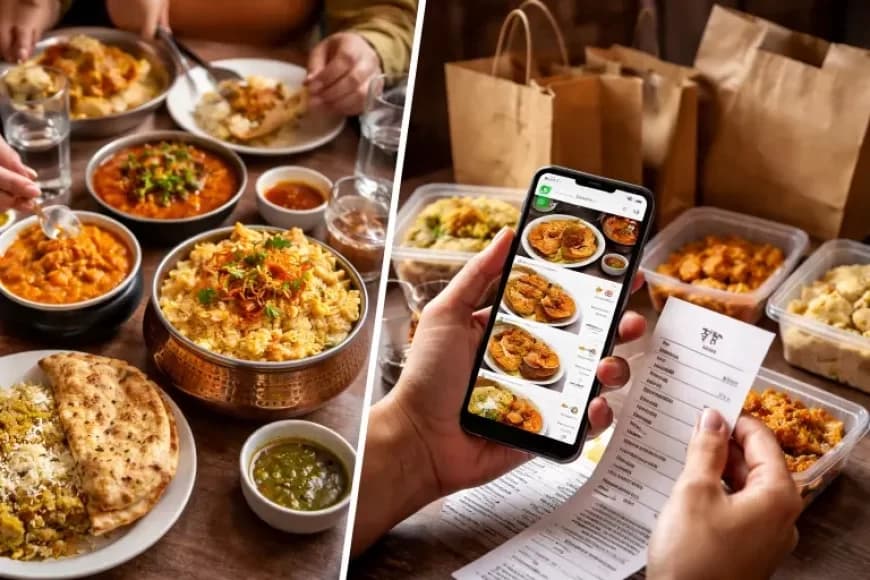
Food Delivery vs Dining Out: The Price Gap Indians Are Questioning
Food delivery apps have become a daily habit for millions of Indians, but in 2026, consumers are increasingly questioning the real cost of convenience. A large nationwide consumer survey shows that ordering food through apps like Swiggy and Zomato can cost 20% to 60% more than eating at or ordering directly from the restaurant.
The findings have sparked fresh debate around transparency, platform fees, and whether food delivery apps are still worth the premium.
Survey Reveals: Majority of Indians Pay More on Food Apps
According to a recent survey covering 79,000 consumers across 359 districts, more than 55% of respondents said food ordered directly from restaurants is significantly cheaper than app-based orders.
The difference is not marginal. In many cases, consumers reported paying hundreds of rupees extra for the same meal—raising concerns about hidden costs and unclear pricing structures.
Where Does the Extra Money Go?
Dual Pricing: Higher Menu Prices on Apps
Most restaurants now follow a dual-pricing system. While the dine-in price may remain unchanged, the same dish is often listed 25–30% higher on delivery platforms.
This increase helps restaurants recover the high commission charged by food aggregators, which can range between 25% and 30% per order.
Packaging Charges Add Up
Unlike dine-in meals, delivery requires disposable containers, bags, and seals. Restaurants typically charge customers separately for packaging, which can range from ₹15 to ₹40 per order.
Many consumers are unaware that packaging fees may also be subject to platform commissions, further inflating costs.
Rising Platform Fees in 2026
What began as a small service charge has steadily increased. In major cities like Mumbai, Delhi, and Bengaluru, platform fees now range from ₹12 to ₹15 per order, regardless of the order value.
These charges apply even when delivery fees are discounted or waived.
GST on Delivery Services
Since late 2025, the government has imposed 18% GST on delivery-related services. While food items attract 5% GST, delivery and platform-related charges are taxed at a higher rate, pushing the final bill even higher.
Cost Comparison: Restaurant vs Food App Order
A typical “meal for two” from a mid-range restaurant can show a stark difference:
Dine-in or direct pickup: Around ₹680
Same meal via food app: Nearly ₹950
This means customers may pay over 40% extra simply for ordering through an app.
Why Consumers Feel Frustrated
Discount Illusion
Many users report that even after applying large discount coupons, the final price remains close to—or higher than—the restaurant’s actual menu price due to inflated base rates and added fees.
Lack of Price Transparency
Consumers often feel misled when they later discover lower offline prices at the same restaurant. The absence of clear price breakups fuels distrust.
Packaging and Health Concerns
A large number of users have also raised concerns about poor-quality packaging, especially the use of black plastic containers, which are linked to potential health risks.
Restaurants Caught in the Middle
Restaurants face a tough choice. Staying off food apps reduces visibility and customer reach, while staying on them cuts deeply into margins. Industry estimates suggest that up to 35% of a restaurant’s order value may go toward commissions and platform-related costs.
As a result, many outlets are turning to direct ordering models, including WhatsApp orders and phone calls, offering better prices to loyal customers.
The rise of ONDC (Open Network for Digital Commerce) is also providing an alternative by enabling lower-commission digital food ordering.
What This Means for Consumers in 2026
The food delivery industry is entering a phase where profitability matters more than rapid expansion. With venture funding slowing down, platforms are passing costs on to users.
For consumers, the takeaway is simple: ordering directly from nearby restaurants can lead to substantial savings, especially for family meals or bulk orders.
Conclusion: Convenience Comes at a Cost
Food delivery apps still offer unmatched convenience, but in 2026, that convenience comes with a visible premium. As consumers become more price-conscious, transparency and fair pricing will determine how sustainable these platforms remain.
Walking into a nearby restaurant or placing a direct order could soon become the smarter—and cheaper—choice.
Frequently Asked Questions (FAQs)
Why is food more expensive on Swiggy and Zomato?
Food is costlier due to restaurant commissions, higher menu prices, packaging charges, platform fees, and GST on delivery services.
Do restaurants charge different prices online and offline?
Yes. Many restaurants use dual pricing to offset the high commissions charged by delivery platforms.
Are food delivery app discounts real?
Discounts often apply to inflated menu prices, which reduces their actual benefit to consumers.
What is ONDC and how does it help?
ONDC is a government-backed digital commerce network that allows restaurants to sell online with significantly lower commissions.
How can consumers save money on food orders?
Ordering directly from restaurants, opting for pickup, or using direct WhatsApp ordering can help reduce overall food costs.