

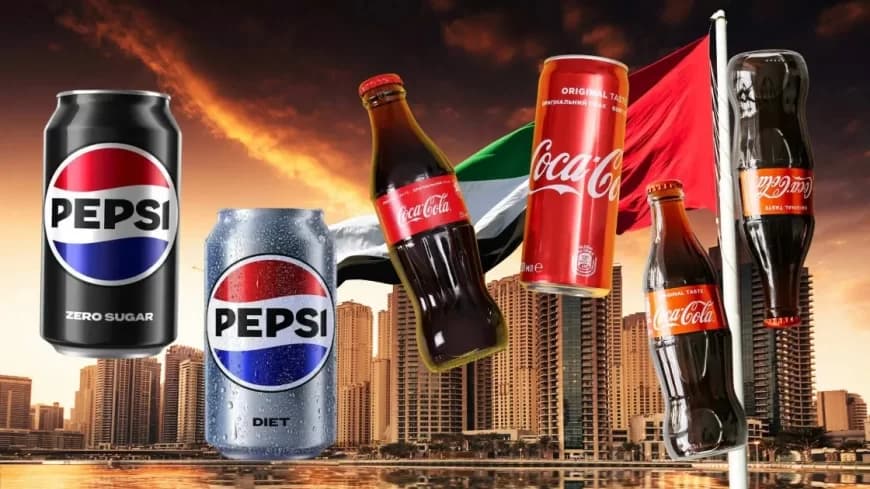
Starting January 1, 2026, the United Arab Emirates (UAE) will change how it taxes soft drinks — moving from a flat 50% excise duty to a tiered, sugar-based system. The new model aims to promote healthier consumption habits, align with GCC health policies, and encourage beverage makers to reduce sugar in their products.
What the Sugar-Based Excise Tax Means for Consumers
From next year, the price of soft drinks, juices, and energy beverages in UAE stores will depend on how much sugar they contain. The Federal Tax Authority (FTA) will classify drinks into categories — high, moderate, low, or zero sugar — with each attracting a different excise rate per 100ml.
High-sugar drinks (≥8g/100ml) will face the highest tax rate.
Moderate-sugar drinks (≥5g and <8g/100ml) will have a mid-range rate.
Low-sugar and zero-sugar drinks (<5g/100ml) may be taxed at a lower or even zero rate.
Drinks with only natural sugars (no added sweeteners) could be exempt, while energy drinks will continue to carry a 100% excise duty.
How the Tiered System Works
The new volumetric model replaces the flat 50% excise with a more nuanced, sugar-content-based structure. This means taxation will be calculated per gram of sugar per 100ml, not simply by product price.
Producers and importers will need lab-certified reports showing the exact sugar levels in their drinks. These reports must be submitted when registering products under the new framework. Businesses will also have to update product labeling and excise registrations before the 2026 deadline.
Impact on Consumers and Households
For everyday shoppers, especially families, the cost of beverages may shift:
Higher prices for popular sodas and sweetened juices.
Stable or lower prices for low-sugar or artificially sweetened drinks.
Encouragement to read nutrition labels — sugar grams per 100ml will directly affect final prices.
Parents may also see children’s beverages reformulated to meet lower sugar tiers, keeping them affordable post-tax.
What Retailers and Beverage Companies Need to Do
Retailers, distributors, and manufacturers must prepare for significant changes before January 2026:
Conduct sugar testing and obtain lab reports.
Reclassify and register each drink with the FTA.
Update product labels, pricing systems, and POS databases.
Communicate new prices to customers and plan for inventory adjustments.
Small retailers should start discussing pricing and supply chain updates with their distributors to avoid disruptions when the new rules take effect.
Why the UAE Is Introducing the Sugar Tax Reform
The UAE government says the reform supports public health goals and aligns with GCC-wide fiscal frameworks. By taxing products according to their sugar content, the system encourages:
Healthier consumer choices.
Product reformulation to reduce sugar levels.
Long-term benefits in tackling obesity and lifestyle-related diseases.
The Ministry of Finance has proposed legislative changes to ensure the new excise tax model is smoothly implemented nationwide.
Tips for Consumers Before the Change
Check sugar levels on drink labels — under 5g/100ml will likely be cheapest.
Compare brands — zero-sugar or artificially sweetened options may offer better value.
Buy smart — retailers may offer pre-tax discounts before January 2026.
Plan ahead — your favorite sugary beverage may cost more next year.
FAQs on UAE’s Sugar-Based Drink Tax 2026
1. When will the new UAE sugar tax take effect?
The sugar-content-based tax on drinks will come into effect on January 1, 2026.
2. Which drinks are affected by the new tax?
The tax applies to sweetened beverages, including sodas, juices, flavored waters, and energy drinks — depending on their sugar content per 100ml.
3. Will energy drinks still be taxed at 100%?
Yes. Energy drinks will continue to be taxed at the existing 100% excise rate, regardless of sugar level.
4. Are drinks with natural sugars exempt?
Drinks that contain only natural sugars (without added sweeteners) are expected to be exempt, though final details will be confirmed by the UAE Cabinet.
5. How can businesses prepare for the change?
Businesses should test sugar levels, obtain lab reports, update FTA registrations, and adjust product labels and pricing ahead of the 2026 rollout.