

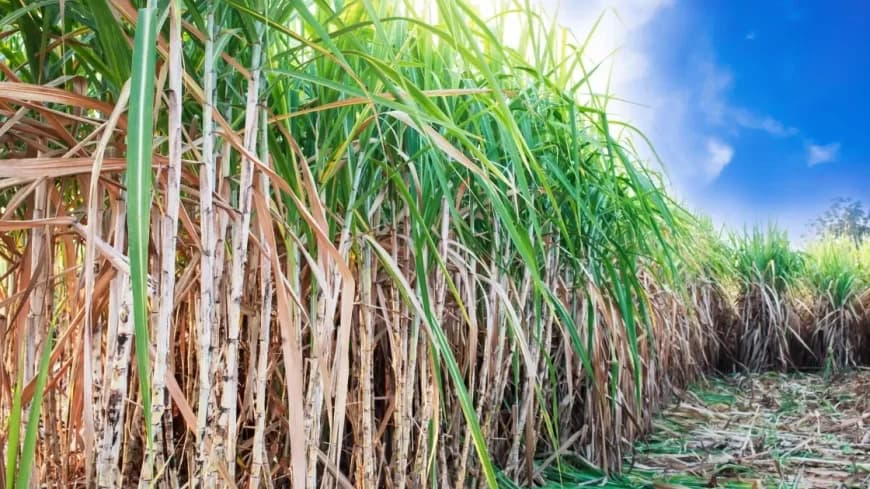
In a major regulatory action, the Maharashtra Sugar Commissioner’s office has refused crushing licences to 22 sugar mills for failing to meet mandatory compliance norms. The move comes even as the state gears up for a bumper sugarcane season with significantly higher cane availability than last year.
Licences Denied Across Multiple Districts
According to officials, 170 mills have already started crushing operations, but 22 mills — 10 private and 12 cooperative — were denied permission to operate.
These mills reportedly failed to comply with state directives that mandate:
Clearance of previous season’s pending FRP dues to farmers
Contribution to the Sugarcane Cutter Welfare Board
Mandatory deposits in the Chief Minister’s Relief Fund
District-Wise Breakup of Mills Denied Licences
Solapur: 8 mills
Pune: 2 mills
Nagpur: 2 mills
Kolhapur: 3 mills
Chhatrapati Sambhajinagar: 3 mills
Amravati: 1 mill
Ahilyanagar: 1 mill
Millers Raise Concerns Over Delay
Industry representatives say the state’s decision may slow down crushing activities at a time when sugarcane output is projected to be exceptionally high.
Higher Cane Production Expected
Millers estimate that around 1,200 lakh tonnes of cane will be available this season, up significantly from 850 lakh tonnes last year.
The Maharashtra State Cooperative Sugar Mills Association has also revised its estimated sugar yield from 82 to 74 tonnes per hectare, citing weather-related impacts.
Delayed Monsoon Adds Pressure
A delayed monsoon followed by extended rains has already pushed the crushing season back. Many mills are still negotiating FRP settlements with farmer groups.
Farmer Protests Over FRP Intensify
Farmer organisations, particularly in Western Maharashtra, have taken to the streets demanding higher compensation.
Swabhimani Shetkari Sanghatna leader Raju Shetti has demanded:
A higher Fair and Remunerative Price (FRP)
An additional ₹200 per tonne payment to farmers
Compensation for increased input costs and weather-induced losses
Industry Says Rising FRP Without MSP Revision Is Unsustainable
Harshwardhan Patil, President of the National Federation of Cooperative Sugar Factories, noted that while expectations for higher FRP are reasonable, the Minimum Selling Price (MSP) of sugar remains unchanged.
This, he argues, has put mills under severe financial pressure as they try to balance farmer payments with operational sustainability.
With cane availability at record levels and compliance issues delaying operations, Maharashtra’s sugar sector faces a challenging and unpredictable season ahead. Unless FRP disputes are resolved and MSP revisions considered, both mills and farmers may encounter deeper financial strain as crushing progresses.
FAQ
1. Why were 22 sugar mills denied crushing licences in Maharashtra?
They failed to comply with mandatory norms, including clearance of previous FRP dues, contributions to the welfare board, and deposits required by the state government.
2. How many sugar mills have started crushing operations this season?
A total of 170 sugar mills have begun crushing, while 22 remain barred.
3. What is the expected sugarcane production in Maharashtra this year?
Millers estimate nearly 1,200 lakh tonnes of cane available for crushing, significantly higher than last year.
4. Why are farmers protesting this season?
Farmer groups are demanding higher FRP and an additional ₹200 per tonne to cover rising input costs and weather-related losses.
5. Why are mills demanding revision of sugar MSP?
Mills argue that without higher MSP, they cannot meet rising farmer payment obligations while maintaining financial stability.