
The Indian workplace could soon look a little different — with new, colourful posters that quietly nudge employees toward healthier choices. In a step to tackle India’s rising lifestyle diseases, the Ministry of Health has urged all central government offices to display "sugar and fat boards" that show the hidden sugar and fat content in everyday snacks.
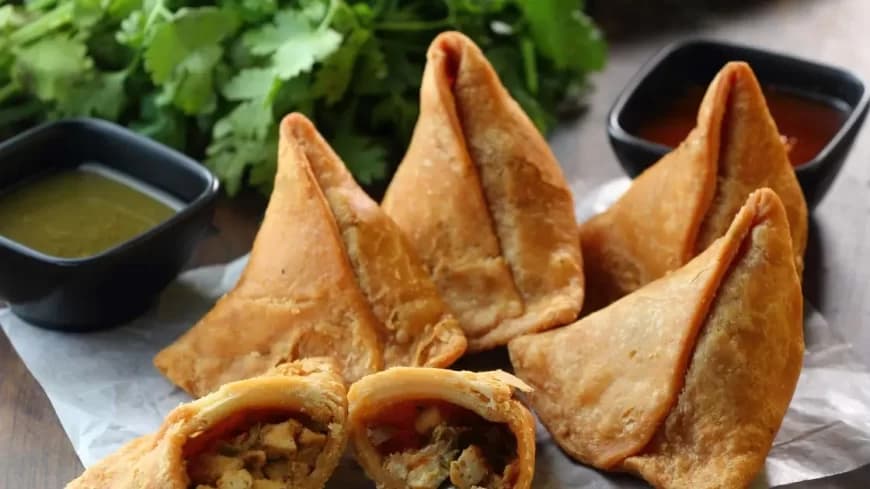
The idea is simple but powerful: when people see how much sugar is in a gulab jamun or how much fat hides in a plate of samosas, they may think twice before making it a daily habit.
What exactly are these sugar and fat boards?
These boards are large, visual charts listing common Indian snacks and fast foods — think biscuits, jalebi, pav bhaji, soft drinks, fried items and desserts — alongside data on how much sugar and fat each contains.
Created by the Indian Council of Medical Research (ICMR) and the National Institute of Nutrition (NIN), these posters are designed to catch attention in government canteens, corridors and waiting areas. Institutes like AIIMS Nagpur have already put them up, and many more offices are set to follow.
Thanks to Hon’ble @PMOIndia @narendramodi ji's push for healthier workplaces, @MoHFW_INDIA has urged all govt offices to prominently display Sugar Boards. Sharing model Sugar Boards to display in offices. Tag us in your stories/postsDownload: https://t.co/jNDDpe1TIX @ICMRDELHI pic.twitter.com/dAbATBF2ra
— ICMR - National Institute of Nutrition (@ICMRNIN) July 8, 2025
Why is this initiative important?
Our daily office break often means quick bites: a cold drink, a sweet snack or something fried. It feels harmless, but it adds up. Research shows that rethinking just one daily snack could help cut hundreds of extra calories each week.
Dr Amar Amale of the Cardiological Society of India explains it bluntly: “Sugar and trans fats are the new tobacco.” Just as warning signs on cigarette packs reduced smoking rates worldwide, the government hopes these boards will encourage people to pause, read, and make better food choices.
The bigger problem: lifestyle and diet in India
India’s urban centres — and even villages — are witnessing a spike in health issues like obesity, diabetes, high cholesterol and early heart disease.
Dr Gourdas Choudhuri of Fortis Gurgaon says, “We are consuming far more calories than before — mostly refined sugars and oils from fried foods. Over time, this builds up in the body, clogs arteries and increases disease risk.”
It’s not about occasional festive sweets or family dinners; it’s about daily habits. Many of us unknowingly exceed the World Health Organisation’s recommended limit of 25 grams (about five teaspoons) of added sugar per day. Just one can of soft drink or a couple of sweets can easily cross this mark.
Junk food: why it’s more dangerous than it looks
Nutritionist Rupali Datta explains that junk food is defined as food high in sugar and fat but low in nutrition. It doesn’t keep us full, so we tend to eat more — often replacing healthier meals with empty calories.
In 2023, influencer Revant Himatsingka (Foodpharmer) created a viral video highlighting the sugar content in soft drinks and juices, which reached over 25 million people. His call for sugar boards in public schools echoed what health experts have long warned: early habits shape lifelong cravings.
What can we do as individuals?
Read nutrition labels on packaged foods
Remember the numbers: no more than 25g of added sugar and around 30g of fat per day
Swap daily sweets or fried snacks with nuts, fruits, yoghurt or home-cooked options
Watch out for “hidden” sugars and oils in so-called “healthy” snacks
It isn’t about banning laddoos or pakoras forever — food is deeply cultural and emotional in India. But small changes in daily snacking can have a big impact on long-term health.
Will it really work?
Experts agree that just seeing numbers on a wall won’t change everyone overnight. But over time, daily reminders can create gentle pressure to rethink choices — especially among office goers and young people who snack most often.
In the bigger picture, these boards are part of a slow cultural shift towards transparency and awareness in food choices — and that, say doctors, is a step in the right direction.