

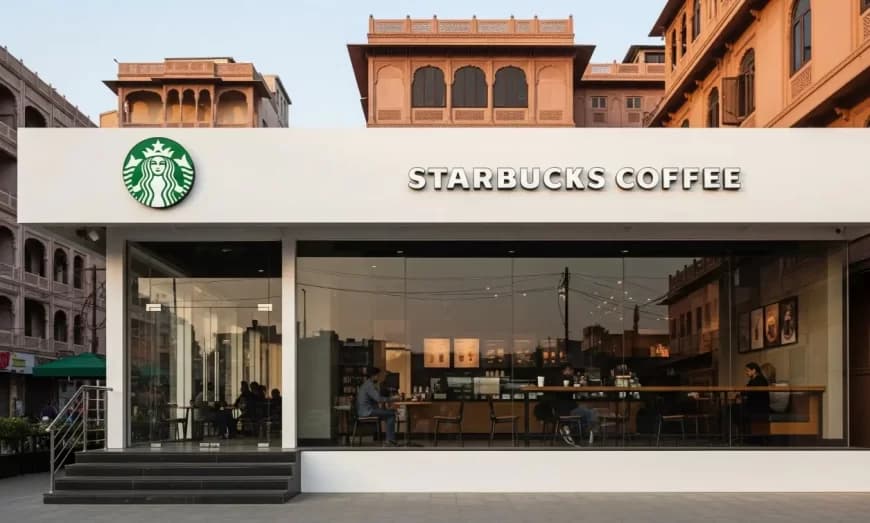
Starbucks India is brewing a new chapter in its journey with the launch of Coffee Experiential Stores. This isn’t just another café opening—it’s a bold strategic shift that reflects the evolving tastes of India’s growing coffee community. By moving beyond its signature ambience into immersive, locally inspired, and education-driven experiences, Starbucks is aiming to cement its premium position and counter the rising wave of local artisanal coffee brands.
Why Now? The Maturation of India’s Coffee Scene
The Indian coffee café market is projected to grow from $439.56 million in 2024 to $928.98 million by 2030, registering a CAGR of over 13%. This surge is driven by young urban consumers with rising disposable incomes and a growing appetite for premium lifestyle experiences.
But the modern Indian consumer is no longer satisfied with just a global brand logo. Instead, they seek authenticity, quality, and value for experience.
This changing demand has given rise to three distinct segments:
Mass market players like Café Coffee Day (CCD), focused on affordability and accessibility.
Artisanal coffee leaders like Blue Tokai and Third Wave Coffee, who emphasize craftsmanship, transparency, and storytelling.
Global brands like Starbucks, now under pressure to evolve beyond status-symbol positioning.
Starbucks’ new experiential store is a direct response to this competitive battleground.

The Strategic Pillars of Starbucks’ Experiential Store
1. Elevating Coffee Craftsmanship
Starbucks has introduced Espresso Zones and Brew Bars, where customers can interact with black apron-certified Coffee Masters and experience brewing methods up close. With high-precision machines like the Black Eagle, Starbucks is repositioning itself as a serious player in the craft coffee space—challenging artisanal rivals on their strongest ground.
2. Authentic Localization
The menu is no longer limited to a token chai latte. Instead, it features India-inspired beverages like the Cinnamon Jaggery Latte and Cocoa Birds Eye Chilli Latte. Beans are sourced from both global and Indian origins and roasted locally for freshness—a strong differentiator in the specialty coffee market.
3. The High-Margin ‘Bake-In’ Initiative
Starbucks’ in-house Bake-In range not only enhances the sensory experience with the aroma of freshly baked goods but also boosts profitability. Industry insights suggest in-house bakeries can contribute 20%–45% of a café’s revenue due to higher margins compared to beverages.
Will This Strategy Work? Expert Analysis
A Calculated Investment Phase
While Starbucks India reported a 65% surge in losses in FY25, experts note this is part of a front-loaded expansion strategy. Tata Consumer Products (Starbucks’ JV partner) has clarified that the company is investing heavily in prime locations and store formats to achieve its 1,000-store goal by 2028. Importantly, individual stores are already profitable.
Competing with Artisanal Brands on Their Turf
By creating flagship experiential outlets, Starbucks is signaling that it can match artisanal brands on craft and authenticity—while leveraging its global scale, financial muscle, and brand power to create experiences that smaller players cannot easily replicate.
Future-Proofing with Experience
In a world dominated by delivery apps and convenience, Starbucks is betting on the enduring value of physical, human-centered experiences. The experiential format encourages customers to linger, engage, and spend more—building long-term loyalty.