
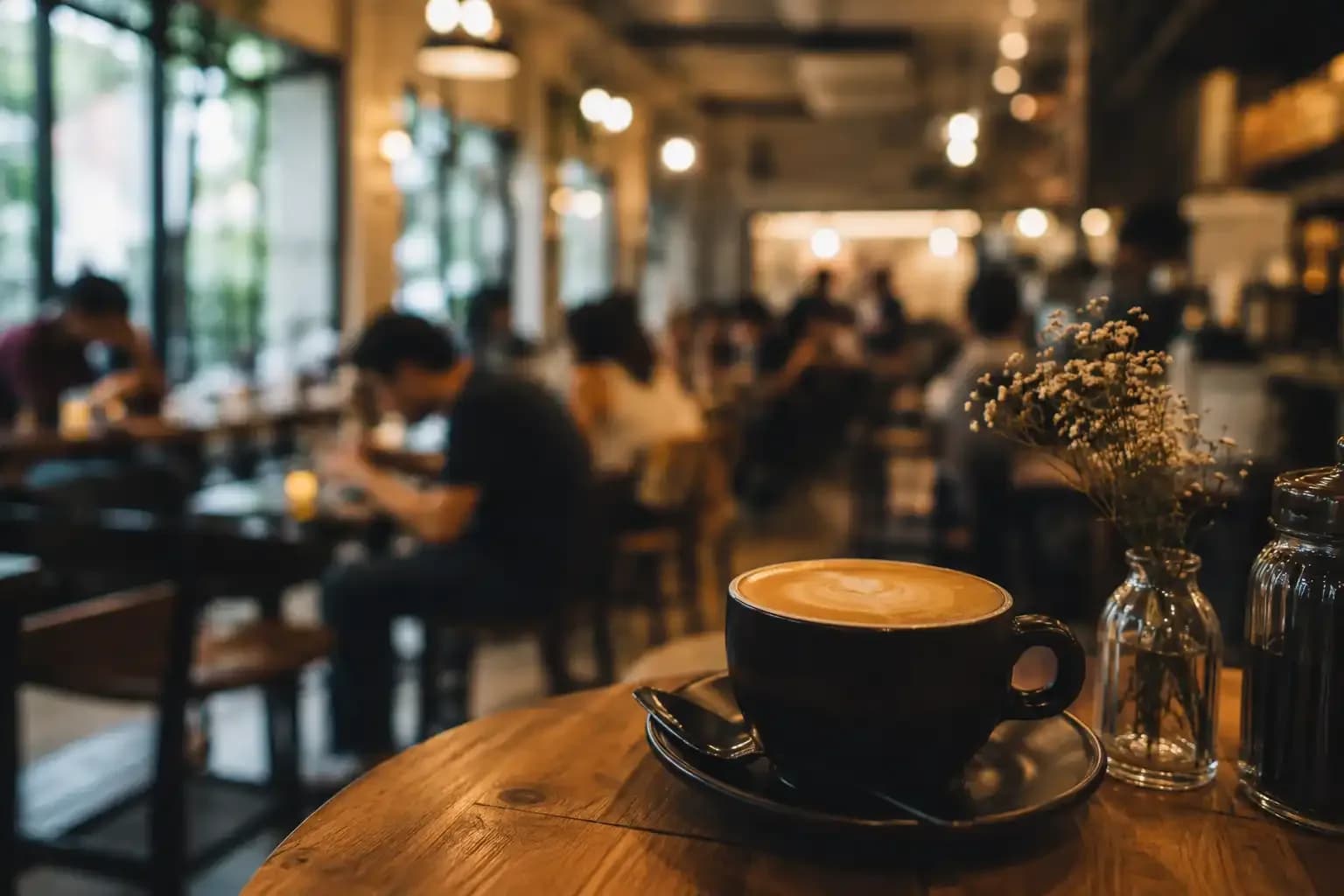
A decade ago, paying ₹500 for a cup of coffee in India would have sounded ridiculous.
Today, it has become surprisingly normal.
Walk into a Blue Tokai café in Bengaluru, a Subko roastery in Mumbai, an Araku café in Hyderabad, or a Starbucks outlet in Delhi, and you'll find people happily spending anywhere between ₹300 and ₹600—not just once in a while, but several times a week.
The obvious question is...
Have Indians suddenly become obsessed with coffee?
Not exactly.
They're buying something much bigger than coffee.
They're buying identity, experience, productivity, community, and aspiration—all served in a cup.
And that's what makes India's premium coffee story one of the most fascinating consumer shifts happening today.
Coffee Is Becoming the New Luxury That Feels Affordable
Luxury used to mean buying a premium watch or designer clothing.
Today, luxury has become far more accessible.
People are willing to spend ₹500 on something that makes them feel successful—even if it lasts only 45 minutes.
That's exactly what premium coffee delivers.
For many young professionals, walking into a beautifully designed café feels like investing in themselves.
The environment signals productivity.
The cup signals taste.
The location signals lifestyle.
The coffee simply completes the experience.
Unlike luxury handbags or expensive cars, premium coffee offers a small, repeatable indulgence that fits comfortably into urban lifestyles.
This phenomenon is known globally as "Affordable Luxury"—and India is embracing it rapidly.
Coffee Has Quietly Replaced the Traditional Office
One of the biggest changes after the pandemic wasn't just remote work.
It was where people chose to work.
Coffee shops evolved into modern workspaces.
Instead of paying thousands for co-working memberships, professionals discovered they could spend ₹400 on coffee and work for four hours with:
High-speed WiFi
Air conditioning
Comfortable seating
Charging points
Great ambience
Background music
Networking opportunities
For many freelancers, founders, creators, consultants, and students, the café became their office.
When viewed this way, the ₹450 coffee isn't expensive.
It's rent.
India Isn't Buying Coffee. It's Buying Stories.
Today's consumers ask questions that barely existed ten years ago.
Which estate produced these beans?
Is it single-origin?
What's the roast profile?
Was it naturally processed?
Is it washed or honey processed?
Which brewing method is recommended?
This shift mirrors what happened earlier with wine, craft beer, and artisanal chocolate.
Consumers increasingly enjoy discovering stories behind products.
A coffee from Chikmagalur carries a different identity than one from Araku Valley.
The origin becomes part of the experience.
People don't just drink it.
They talk about it.
They post about it.
They recommend it.
The Instagram Effect Is Bigger Than Most People Realize
Coffee has become one of the most photogenic products in retail.
Minimalist interiors.
Beautiful latte art.
Wooden furniture.
Designer cups.
Natural lighting.
Every premium café is almost built with social media in mind.
A coffee visit now generates:
Instagram Stories
LinkedIn posts
Reels
Creator content
Remote work selfies
Networking updates
For brands, every customer becomes free marketing.
The café isn't just selling beverages.
It's creating content opportunities.
Third-Wave Coffee Is Educating Consumers
The first wave was convenience.
The second wave introduced branded café chains.
The third wave transformed coffee into craftsmanship.
Consumers now appreciate:
Single-origin beans
Roast dates
Manual brewing
Pour-over techniques
AeroPress
Chemex
Cold brew
Nitro coffee
Experimental fermentation
India's specialty coffee market is projected to grow from $3.01 billion in 2025 to $6.52 billion by 2031, expanding at a 13.7% CAGR, significantly faster than the broader coffee industry.
Consumers who once accepted instant coffee are now discussing extraction times and brewing ratios.
That represents an enormous cultural shift.
Cafés Are Becoming Lifestyle Brands
Successful coffee companies no longer compete only on taste.
They compete on identity.
Look closely at brands like Blue Tokai, Third Wave Coffee, Subko, or Araku.
They're selling:
Design
Sustainability
Local sourcing
Community events
Merchandise
Brewing equipment
Coffee subscriptions
Educational workshops
Coffee is simply the gateway product.
The real business is building long-term customer loyalty.
The Home Brewing Revolution Has Quietly Begun
Interestingly, cafés are creating customers who eventually drink more coffee at home.
After experiencing specialty coffee, consumers start purchasing:
Whole beans
Ground coffee
French Presses
AeroPress kits
V60 drippers
Coffee grinders
Gooseneck kettles
Subscription boxes
This creates recurring revenue beyond café visits.
Many premium coffee brands now earn significant margins from direct-to-consumer coffee sales, brewing gear, and subscriptions.
The Tier-2 Opportunity Is Just Getting Started
Perhaps the biggest misconception is that specialty coffee is only for Mumbai or Bengaluru.
That's changing rapidly.
Cities like:
Pune
Jaipur
Chandigarh
Lucknow
Nagpur
Indore
Surat
Kochi
are witnessing strong demand for premium cafés and specialty coffee experiences.
Young professionals returning to their hometowns, rising disposable incomes, and growing exposure through social media are accelerating adoption.
Premium coffee is no longer a metro phenomenon.
It's becoming a national trend.
But Is ₹500 Coffee Really Worth It?
This is where opinions differ.
If you're judging purely by the beverage itself, many would argue the answer is no.
Coffee beans rarely account for the majority of the selling price.
But if you're paying for:
a quiet workspace,
premium ambience,
customer service,
networking opportunities,
brand experience,
and several productive hours,
then the value equation changes completely.
The coffee becomes the ticket to access an experience.
What This Means for the Food & Beverage Industry
The rise of ₹500 coffee offers an important lesson for every food business.
Consumers today aren't just purchasing products.
They're purchasing emotions, convenience, identity, and memorable experiences.
Whether it's gourmet burgers, artisanal ice cream, premium tea, handcrafted desserts, or specialty coffee, brands that elevate everyday consumption into something people want to share and remember can command premium pricing.
This is the essence of India's ongoing premiumization wave.
Coffee Industry Snapshot
Metric | Industry Insight |
|---|---|
Specialty Coffee Market | $3.01B (2025) → $6.52B (2031) |
CAGR | 13.7% |
Average Premium Coffee Price | ₹200–₹450+ per cup |
Key Growth Drivers | Premiumization, café culture, hybrid work, social media, home brewing |
Expanding Brands | Blue Tokai, Third Wave Coffee, Subko, Araku, Starbucks |
Emerging Markets | Tier-2 cities and D2C coffee subscriptions |
The real story isn't that Indians are paying ₹500 for coffee.
The real story is that India has reached a stage where consumers are increasingly willing to pay more for products that combine quality with experience, convenience, and personal identity.
Coffee simply happens to be one of the clearest examples.
Tomorrow, the same pattern could reshape everything from tea and desserts to healthy meals, quick-service restaurants, and premium street food.
The question is no longer whether Indians will pay more.
The real question is:
Which everyday product will become the next ₹500 experience?