
Consumers in India who regularly use olive oil may soon have to pay more.
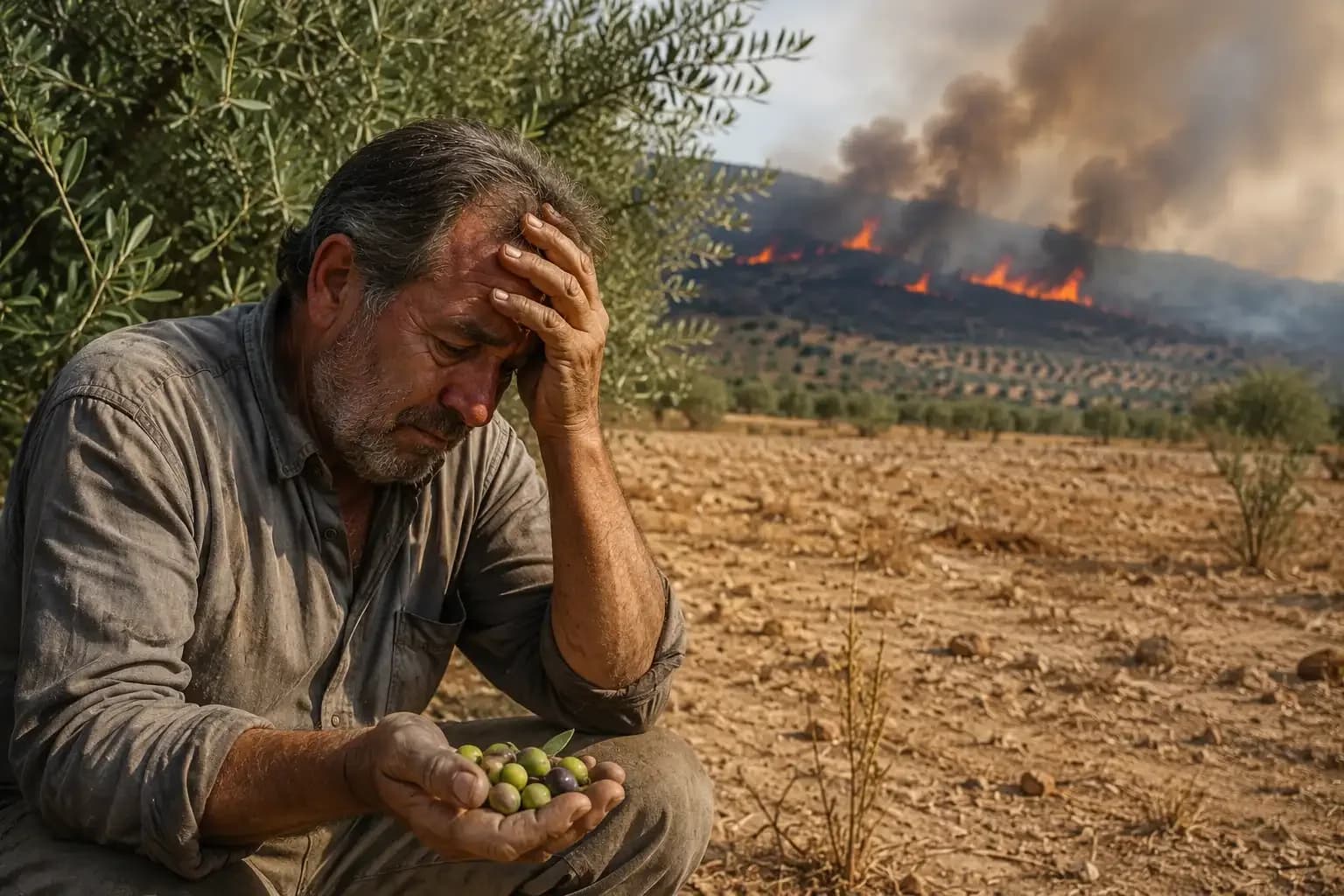
After months of relative stability, global olive oil prices are expected to rise again as extreme weather continues to damage olive-producing regions across Europe. Farmers are warning that prolonged heatwaves, severe drought and devastating wildfires are reducing both the quantity and quality of this year's olive harvest, creating fresh concerns over global supply and food inflation.
Europe's Climate Crisis Is Hitting Olive Farms
Southern Europe is experiencing one of its hottest summers on record, with temperatures crossing 40°C in several regions.
Countries including Spain, Italy, Greece and Portugal—which together produce the majority of the world's olive oil—are battling prolonged drought, water shortages and widespread wildfires. These extreme conditions are placing olive trees under intense stress during one of the most critical stages of fruit development.
According to farmer groups and agricultural organisations, the impact extends far beyond olive groves. Crops such as maize, potatoes, onions, carrots, salad vegetables and grapes are also suffering heavy losses due to the lack of rainfall and persistent high temperatures. In France, vegetable growers have reported losing thousands of tonnes of produce worth millions of euros, while vineyards in Champagne, Bordeaux and Burgundy are expecting smaller and earlier harvests than usual. Spain's cereal production is also forecast to decline significantly this season.
Why Olive Oil Prices Are Expected to Increase
Unlike many other crops, olive trees produce fruit only once each year. When temperatures remain extremely high during flowering and fruit development, olive yields decline and the amount of oil that can be extracted from each fruit also falls.
Wildfires create an additional challenge by exposing orchards to smoke, ash and direct fire damage, while drought forces farmers to rely on expensive irrigation or accept lower production. These combined factors reduce both supply and quality, putting upward pressure on prices.
Although olive oil prices had started easing after reaching record highs over the past few years, industry experts now warn that another weak European harvest could reverse that trend and lead to fresh price increases in global markets.
The Ripple Effect on the Global Food Industry
The impact of Europe's climate crisis is unlikely to be limited to olive oil.
Lower agricultural production across the continent could increase the prices of several food commodities while also affecting restaurants, food manufacturers and retailers worldwide. Businesses producing salad dressings, sauces, gourmet foods, premium snacks and health products that rely on olive oil may face higher input costs.
The situation also highlights a broader trend often referred to as "climateflation"—where climate-related disruptions such as heatwaves, droughts and wildfires contribute directly to rising food prices across global markets.
How Will This Affect India?
Although India is one of the world's largest edible oil consumers, it produces very little olive oil domestically and depends largely on imports, particularly from Spain and Italy.
As a result, any significant decline in European production is likely to increase import costs for Indian distributors once existing inventories are exhausted.
1. Higher Olive Oil Prices
Consumers purchasing imported extra virgin olive oil and premium olive oil brands could see retail prices increase over the coming months.
2. Restaurants May Face Higher Costs
Italian restaurants, Mediterranean cafés, premium hotels and cloud kitchens that use olive oil extensively may experience higher ingredient costs. Some businesses could revise menu prices or explore alternative cooking oils to manage expenses.
3. Imported Food Products Could Become Costlier
Several imported products containing olive oil—including pasta sauces, salad dressings, gourmet spreads and specialty foods—may also witness price increases if manufacturers pass higher raw material costs to consumers.
4. Premium Grocery Retailers May Feel the Pressure
Retailers specialising in imported food products could face higher procurement costs, potentially leading to reduced promotional offers and higher shelf prices.
Will Every Indian Household Be Affected?
The direct impact on most Indian households is expected to remain limited.
Olive oil accounts for only a small share of India's edible oil consumption, with mustard oil, sunflower oil, soybean oil, groundnut oil and palm oil continuing to dominate household kitchens.
However, urban consumers, health-conscious families and premium food buyers who regularly purchase imported olive oil are more likely to feel the impact if global prices continue rising.
Climate Change Is Reshaping Global Food Prices
The latest warning from European farmers underscores how climate change is increasingly influencing global food supply chains.
As heatwaves, droughts and wildfires become more frequent and severe, disruptions in one region can quickly affect prices across international markets. Experts warn that climate-related production losses are likely to become a recurring challenge for the global food industry, making food inflation more volatile in the years ahead.