

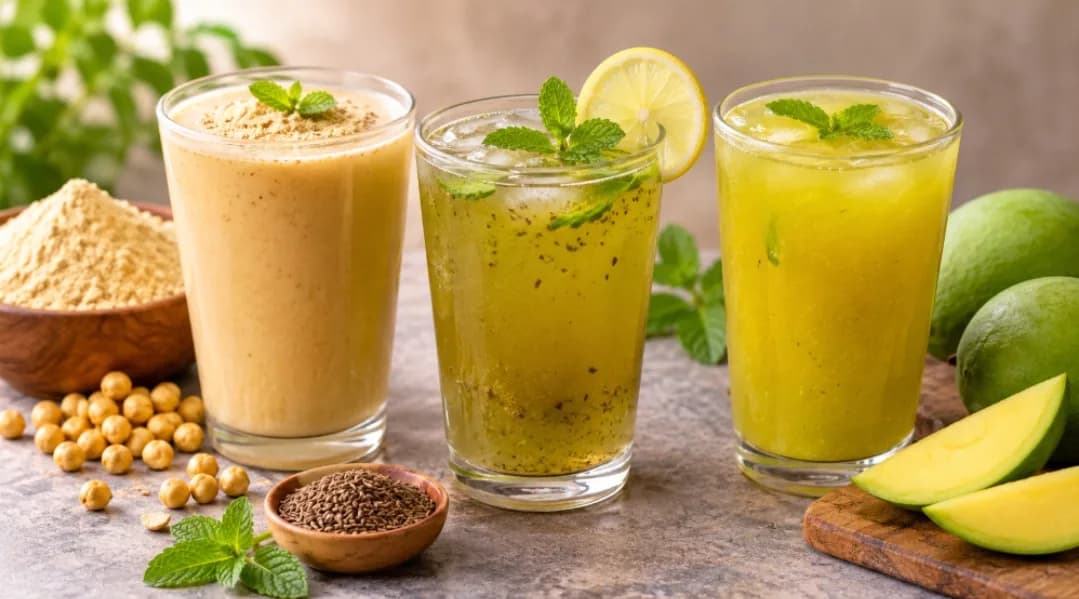
India Pushes Traditional Drinks Like Sattu, Jaljeera and Aam Panna for Global Markets
India is looking to take its traditional beverages to international markets as the government encourages manufacturers to explore the commercial potential of indigenous drinks and strengthen the country's beverage export industry.
India's traditional beverages could soon find a wider audience beyond the country's borders. At the National Beverage Conclave 2026, Union Minister for Food Processing Industries Chirag Paswan encouraged beverage manufacturers to explore the commercial potential of traditional Indian drinks such as sattu, jaljeera and aam panna.
The conclave, organised by the Indian Beverage Association in New Delhi on November 20, focused on strengthening India's position as a global centre for beverage manufacturing, innovation and exports.
Traditional Indian Drinks Get a Global Opportunity
Sattu, jaljeera and aam panna have been part of Indian food culture for generations. These beverages are widely consumed in different parts of the country, particularly during warmer months.
Sattu, traditionally prepared using roasted gram flour, is popular in Bihar and neighbouring regions. Jaljeera is a refreshing spiced drink known for its tangy flavour, while aam panna is prepared using raw mangoes and is especially popular during summer.
The government's latest push aims to encourage manufacturers to transform these familiar regional beverages into commercially competitive products that can reach international consumers.
Government Encourages Innovation and Farmer Partnerships
Addressing industry representatives at the conclave, Chirag Paswan called for stronger connections between beverage manufacturers and Indian farmers.
He encouraged established companies, emerging entrepreneurs and research institutions to work together to develop innovative Indian-origin products capable of competing in global markets.
The minister also highlighted the importance of using indigenous agricultural ingredients and developing healthier beverage alternatives, including drinks made from millets.
Stronger partnerships between manufacturers and farmers could create additional demand for agricultural produce while providing opportunities for value addition and rural economic development.
Health-Conscious Consumers Could Support Demand
Changing consumer preferences are creating opportunities for beverages made with traditional ingredients. Many consumers are exploring alternatives to conventional carbonated soft drinks, including fruit-based refreshments and drinks made from plant-based ingredients.
This shift could create opportunities for Indian beverages in international markets, particularly where consumers are interested in regional flavours and culturally distinctive food products.
However, manufacturers will need to maintain consistent taste, product quality and transparent ingredient information to build consumer confidence.
Packaging and Food Safety Will Be Important
Taking traditional beverages to international markets will require more than simply introducing familiar recipes in bottles or cans.
Manufacturers will need to focus on hygienic production, modern packaging, reliable shelf life, appropriate labelling and compliance with food safety requirements in importing countries.
Developing convenient ready-to-drink formats could also help make traditional beverages more accessible to international consumers.
Quality control and responsible manufacturing will be particularly important as Indian beverage brands compete with established international companies.
Opportunities for India's Beverage Industry
The government's encouragement could open new opportunities for startups, food processing companies and established beverage manufacturers.
Products such as sattu-based drinks, aam panna and jaljeera could become part of a broader range of Indian-origin beverages for international markets.
For farmers, stronger demand for indigenous ingredients could create additional market opportunities. For manufacturers, the growing interest in distinctive flavours could provide an opportunity to introduce India's regional food culture to a wider audience.
India's traditional beverages have strong cultural roots, but their international success will depend on innovation, affordability, quality and the ability to meet global consumer expectations.
The National Beverage Conclave 2026 has brought renewed attention to this opportunity. While the government's announcement represents encouragement rather than a new export scheme, it signals growing interest in developing India's traditional beverage industry into a more competitive global sector.