
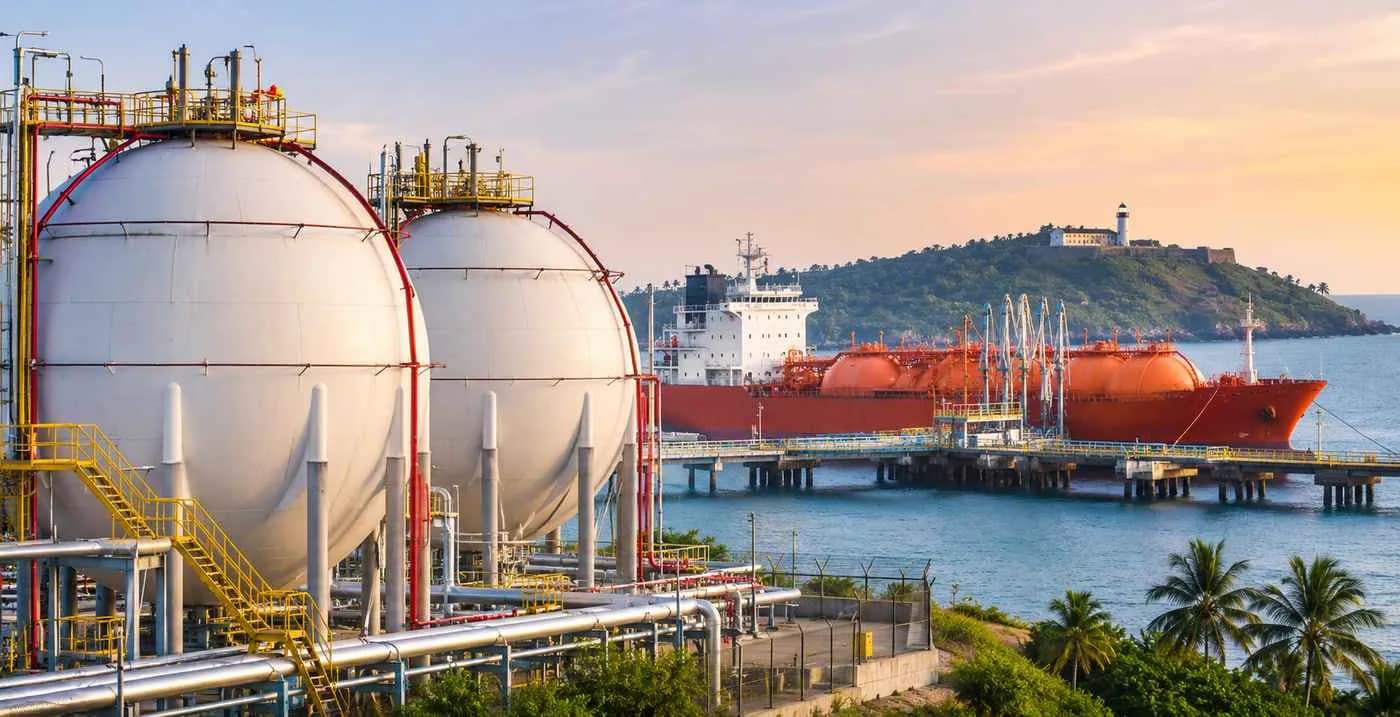
The Goa government has signed a Memorandum of Understanding (MoU) with Dubai-based ANVI for a proposed investment of ₹5,000 crore to establish the state's first dedicated liquefied petroleum gas (LPG) import and storage terminal at Mormugao Port.
The proposed facility, named the Goa LPG Security Terminal, is intended to strengthen the state's energy supply infrastructure and reduce its dependence on LPG transported from other parts of the country. The agreement was signed on October 31, 2026, in the presence of Chief Minister Pramod Sawant during the Vibrant Goa Global Business Summit.
The project is being planned in two phases, with an eventual annual handling capacity of three million tonnes of LPG. At full development, the terminal is expected to have a combined storage capacity of 258,000 cubic metres, comprising refrigerated and pressurised storage infrastructure.
The proposed investment represents one of the significant private-sector infrastructure commitments announced in Goa's energy and logistics sector. However, the MoU is non-binding, and the project will require further technical assessments, statutory approvals and definitive agreements before construction can proceed.
Initial Phase to Include 65,000 Tonnes of LPG Storage
The first phase of the project is expected to include 65,000 tonnes of refrigerated LPG storage capacity, alongside supporting infrastructure for importing, handling and distributing the fuel.
A dedicated LPG berth is proposed at Mormugao Port, with a buried pipeline corridor connecting the berth to the storage facility. The arrangement is expected to enable LPG cargoes arriving by sea to be transferred directly into storage, reducing the need for extensive road transportation between the port and the terminal.
The project also envisages a combination of refrigerated storage tanks and pressurised vessels. At full development, the proposed storage configuration will include 230,000 cubic metres of refrigerated capacity and 28,000 cubic metres of pressurised storage.
A dedicated emergency reserve of at least 7,500 tonnes has also been proposed for Goa. The reserve would be released under instructions from the state government during supply disruptions or other emergencies.
Energy Supply Disruptions Highlight Need for Local Infrastructure
The proposal comes against the backdrop of disruptions to international energy trade routes, particularly the Strait of Hormuz, which has historically played a significant role in India's LPG import supply chain.
Goa currently consumes an estimated 80,000 to 100,000 tonnes of LPG annually. Its supplies have largely depended on transportation from other states, particularly through road networks connected to supply infrastructure in Karnataka.
The disruption in international LPG movement earlier in 2026 exposed the vulnerability of this arrangement. Supply constraints affected several commercial establishments, including hotels, restaurants, beach shacks and fishing-related businesses.
The proposed terminal is intended to address some of these vulnerabilities by allowing LPG to be imported directly into Goa and stored locally. The emergency reserve could provide an additional buffer against sudden interruptions in supply.
For a state with a substantial tourism and hospitality economy, maintaining reliable commercial LPG availability is particularly important. Restaurants, hotels and other food-service businesses depend heavily on uninterrupted fuel supplies for daily operations.
Terminal Planned as a Regional LPG Distribution Hub
Although the initial focus is on Goa's domestic requirements, the proposed facility is being designed with a much larger distribution market in mind.
The project is expected to serve neighbouring regions, including North Karnataka and South Maharashtra, while also exploring distribution opportunities in Sri Lanka, the Maldives and East Africa.
With a planned annual handling capacity of three million tonnes, the terminal would operate at a scale considerably larger than Goa's own LPG consumption. Its commercial viability will therefore depend on attracting customers and securing distribution arrangements beyond the state.
The proposal also includes the movement of LPG through coastal tankers, which could help reduce dependence on long-distance road transportation. Approximately half of the planned throughput is expected to be handled through coastal shipping, according to the project proposal.
ANVI has also outlined plans to develop an LPG supply corridor connecting the US Gulf Coast and other Atlantic Basin markets with India. Diversifying sourcing routes could provide additional flexibility for Indian buyers, particularly during periods of geopolitical uncertainty affecting traditional supply corridors.
Project Expected to Generate Employment
The proposed development is expected to create employment across construction, logistics, operations and associated services.
Project estimates indicate around 2,450 permanent direct, indirect and induced jobs, while construction activity could generate approximately 3,500 jobs at peak levels. Including indirect construction-related employment, the wider employment impact could reach up to 7,000 positions.
The company has proposed reserving at least 80% of permanent direct jobs for Goans and 70% of construction jobs for local residents.
The transportation component is also expected to create opportunities for local fleet operators and drivers. Around 600 skilled, year-round trucking jobs have been projected as part of the proposed LPG distribution network.
In addition, the project includes plans for a Goa Institute of LPG and LNG Technology, with an annual training capacity of up to 500 people. The proposed institute will focus on technical training in gas handling, maritime operations and related safety requirements.
Implementation to Depend on Clearances and Project Approvals
The project will now move into a more detailed planning and assessment stage. A joint working group involving representatives of the Goa government, relevant industrial and investment agencies, Mormugao Port Authority and ANVI is expected to coordinate the development process.
The next steps include identifying suitable land and berth locations, preparing a Detailed Project Report, conducting engineering assessments and undertaking the required safety and environmental studies.
The proposed timeline envisages a construction period of approximately 30 to 36 months for the first phase, subject to the completion of the necessary approvals and development milestones.
The project will also require regulatory clearances and public consultations, particularly given the scale of LPG storage and the associated industrial and transportation infrastructure.
A Strategic Bet on Energy Infrastructure
For Goa, the proposed terminal represents an attempt to move beyond its traditional dependence on externally transported LPG supplies and establish a more direct connection with international energy markets.
For the wider region, it could add another import and distribution point along India's western coastline, potentially improving the flexibility of LPG supply to neighbouring consumption centres.
However, the project's significance will ultimately depend on execution. Securing long-term LPG supply arrangements, attracting buyers, obtaining regulatory approvals and developing the supporting logistics network will be as important as constructing the terminal itself.
If implemented as proposed, the facility could give Goa a larger role in India's LPG distribution infrastructure while strengthening the resilience of a fuel supply chain that became particularly vulnerable during the disruptions of 2026.