

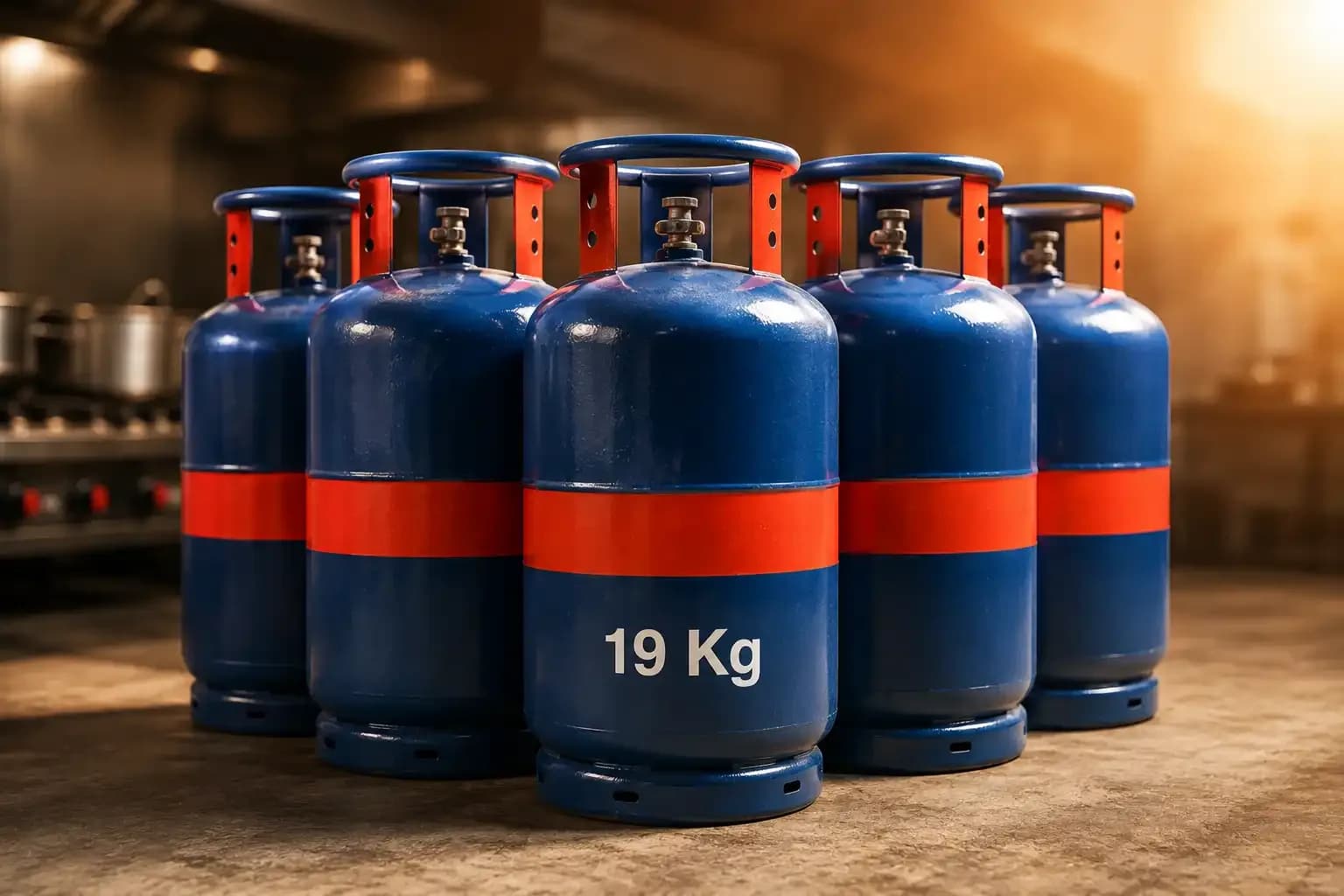
Commercial cooking gas has become costlier from September 1, with state-owned oil marketing companies raising the price of 19-kg LPG cylinders by ₹9.50 to ₹11.50 across major cities.
The latest revision is likely to be felt most directly by restaurants, hotels, bakeries, caterers, dhabas, cloud kitchens and other commercial establishments that rely heavily on LPG for cooking and daily operations.
For households, however, there is no immediate impact. The price of the 14.2-kg domestic LPG cylinder remains unchanged across major cities.
Commercial LPG prices revised across major cities
The latest prices came into effect on September 1, with the increase varying from city to city.
In Delhi, the price of a 19-kg commercial LPG cylinder has increased by ₹9.50 to ₹2,747.50.
In Mumbai, the new price is ₹2,701, also reflecting a ₹9.50 increase.
Chennai has seen a ₹10.50 increase, taking the price to ₹2,916.50.
The sharpest increase among the major cities listed is in Kolkata, where the price has risen by ₹11.50 to ₹2,884.
Other major city rates are:
City | September 1 commercial LPG price | Increase |
|---|---|---|
Delhi | ₹2,747.50 | ₹9.50 |
Mumbai | ₹2,701 | ₹9.50 |
Kolkata | ₹2,884 | ₹11.50 |
Chennai | ₹2,916.50 | ₹10.50 |
Bengaluru | ₹2,831 | ₹10 |
Hyderabad | ₹2,996 | ₹11 |
Bhubaneswar | ₹2,919 | ₹11 |
Patna | ₹3,029 | ₹11 |
Thiruvananthapuram | ₹2,784 | ₹10 |
The revised rates are based on the latest prices published by Indian Oil and reported by multiple outlets.
Domestic LPG prices remain unchanged
The latest increase does not apply to the standard 14.2-kg domestic LPG cylinder used by households.
The current metro prices remain:
Delhi: ₹942
Mumbai: ₹941.50
Kolkata: ₹968
Chennai: ₹957.50
Indian Oil's latest price information confirms that the 14.2-kg domestic rates have not been revised as part of the September 1 change.
The last major domestic LPG revision came in June, when the price of the 14.2-kg cylinder was increased by ₹29.
5-kg non-domestic LPG cylinder also gets costlier
The price revision is not limited to the 19-kg commercial cylinder.
The 5-kg market-priced non-domestic LPG refill, commonly referred to as 5-kg FTL LPG, has also become more expensive by ₹2, rising from ₹762 to ₹764.
The regular domestic LPG category, however, remains unchanged.
Why have commercial LPG prices increased?
The latest increase comes amid movements in international LPG benchmark prices and global energy markets.
LPG and aviation turbine fuel prices are generally revised by oil marketing companies at the beginning of each month based on international benchmark prices and foreign-exchange movements. Prices can also vary between states because of local taxes and other costs.
The September increase also comes against a backdrop of heightened energy-market volatility linked to the West Asia conflict and disruptions in global energy supplies.
However, the latest hike needs to be viewed in context.
Commercial LPG prices had fallen sharply over the previous two months.
On July 1, the price of a 19-kg commercial cylinder in Delhi was reduced by ₹183.50.
That was followed by a much larger reduction of ₹192 on August 1.
The September increase therefore partially reverses those recent cuts rather than representing a fresh price shock on the scale seen earlier in the year.
Commercial LPG had surged sharply earlier this year
The price movement has been particularly volatile in 2026.
According to PTI, the Delhi price of a 19-kg commercial LPG cylinder rose by ₹1,373 between February and June, moving from ₹1,740.50 to ₹3,113.50.
The sharp increase came amid disruptions and supply concerns following the escalation of the West Asia crisis, which pushed international energy prices higher.
The subsequent July and August reductions brought some relief to commercial users before prices moved up again in September.
Why restaurants and food businesses are watching the hike
While an increase of ₹9.50 or ₹11 per cylinder may appear modest, the impact is different for businesses that consume LPG at scale.
A small restaurant may use several commercial cylinders every month, while larger restaurants, hotels, bakeries, catering companies and institutional kitchens can consume significantly more.
For such businesses, LPG is not a household expense but a recurring operating cost.
That means even small increases can add to the overall cost of running a kitchen when combined with expenses such as:
Raw materials
Dairy and meat
Vegetables
Labour
Electricity
Rent
Packaging
Delivery and platform commissions
Transportation
For example, a business using 100 commercial cylinders a month would see an additional LPG expense of roughly ₹950–₹1,150 per month at the latest increase, depending on the city.
For larger food-service operations, the cumulative impact can be considerably higher.
Will restaurant prices increase?
The latest LPG hike alone is unlikely to automatically translate into a major increase in restaurant menu prices.
One reason is that commercial LPG prices had been reduced substantially in July and August.
However, restaurants and other food businesses are operating in an environment where multiple input costs can move at the same time.
If higher LPG prices persist or rise further in subsequent monthly revisions, businesses with already-thin margins may eventually have to absorb the additional cost, reduce other expenses or reconsider menu pricing.
For smaller independent restaurants and street-food businesses, where margins are often tighter, recurring increases in kitchen fuel costs can be more significant than they appear on paper.
What it means for the food industry
For the food-service sector, the latest LPG revision is another reminder of how exposed commercial kitchens are to energy-price movements.
Large hotel chains and organised restaurant companies generally have greater flexibility to manage fluctuations in fuel costs. Smaller restaurants, bakeries, caterers and food outlets may have less room to absorb repeated increases.
The timing is also notable, with the festive and high-demand season approaching. Higher order volumes can mean higher LPG consumption, making fuel costs an important factor in managing margins.
At the same time, businesses will be watching whether the September increase is a temporary adjustment or the beginning of another upward cycle in commercial LPG prices.
The household picture remains unchanged
For ordinary households, the immediate impact is limited.
The standard 14.2-kg domestic cylinder has not become more expensive in September, meaning household cooking-gas costs remain unchanged for now.
The September revision is therefore primarily a business-cost story rather than a direct household inflation story.
For the food industry, however, the message is different: commercial kitchens are once again paying more for one of their most essential operating inputs.
Key Takeaways
19-kg commercial LPG: Up ₹9.50–₹11.50 across major cities
Delhi: ₹2,747.50
Mumbai: ₹2,701
Kolkata: ₹2,884
Chennai: ₹2,916.50
Hyderabad: ₹2,996
Patna: ₹3,029
5-kg non-domestic LPG: ₹764, up ₹2
14.2-kg domestic LPG: No change
Main impact: Restaurants, hotels, bakeries, caterers, dhabas and other commercial users
Previous trend: Commercial LPG prices were cut sharply in July and August before the September increase
Effective date: September 1, 2026
The Bottom Line
The September LPG revision is unlikely to affect the average household's monthly cooking-gas bill, but it puts another small layer of cost pressure on India's food-service industry.
For restaurants and commercial kitchens, the real concern is not the ₹9.50–₹11.50 increase on a single cylinder. It is what happens if higher fuel costs begin to persist alongside rising food, labour and operating expenses.
For an industry already working hard to protect margins, every recurring input-cost increase matters.