

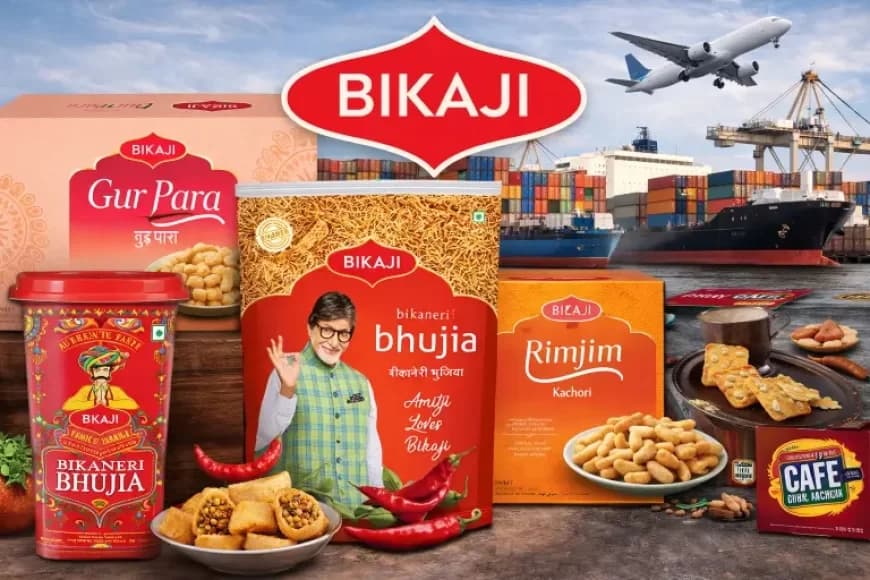
Bikaji Foods International Ltd reported a strong financial performance in the third quarter of FY26, reflecting steady demand for branded ethnic snacks across India and international markets. The company recorded double-digit revenue growth along with a sharp improvement in profitability, supported by higher volumes and better operating margins.
Along with the quarterly results, Bikaji announced strategic investments aimed at strengthening its retail presence and expanding into new food categories.
Bikaji Foods Q3 FY26 Financial Performance
Revenue Shows Consistent Growth
During Q3 FY26, Bikaji Foods recorded approximately 10.7% year-on-year growth in revenue, supported by strong demand across its core snack categories. Growth was driven by improved sales volumes and wider distribution in both domestic and international markets.
The performance reflects sustained consumer preference for organised, branded snack products despite ongoing inflationary pressures in the FMCG sector.
Profitability Improves Sharply
Profitability was a key highlight of the quarter. Profit after tax increased by more than 122% compared to the same period last year, aided by better operating leverage, cost efficiencies, and margin expansion.
EBITDA margins improved significantly, indicating improved pricing discipline, easing raw material costs, and enhanced supply chain efficiency.
Segment-Wise Performance
Ethnic Snacks Remain the Core Growth Driver
Ethnic snacks continued to be Bikaji’s largest revenue contributor in Q3 FY26. Products such as bhujia, namkeen, and regional snack varieties witnessed strong demand across urban and semi-urban markets.
Western Snacks and Papad Gain Momentum
The western snacks and papad segments also posted healthy growth, supported by wider product availability and increasing consumption of packaged snacks among younger consumers.
Packaged Sweets Face Seasonal Impact
The packaged sweets segment saw a temporary decline during the quarter, mainly due to a shift in festive demand timing. Management indicated that the category remains stable over the full financial year.
Export Business Supports Growth
Exports played a crucial role in Q3 FY26 performance, recording strong year-on-year growth. Bikaji continues to expand its presence across international markets, including North America and the Middle East, benefiting from rising global demand for Indian ethnic foods.
Export growth also contributed to margin improvement due to a favourable product mix and scale efficiencies.
Strategic Investments and Expansion Plans
Investment in Retail Business
The company’s Board approved a ₹50 crore capital infusion into its retail subsidiary, aimed at accelerating omni-channel expansion. The focus remains on strengthening physical retail formats and improving direct consumer engagement.
Entry into Frozen and Bakery Segments
Bikaji announced plans to enter the frozen foods and bakery segments through a new joint venture. This move marks the company’s expansion beyond traditional snacks into fast-growing convenience food categories.
Strengthening Manufacturing and Supply Chain
The company also approved selective investments and financial support for partner manufacturing units to enhance capacity and ensure long-term supply chain stability.
Market Position and Industry Outlook
Bikaji Foods continues to strengthen its position as one of India’s leading ethnic snacks brands. Its focus on product innovation, distribution expansion, and portfolio diversification aligns well with evolving consumer preferences in the Indian FMCG market.
Looking ahead, Bikaji Foods is well positioned to sustain growth through domestic expansion, rising exports, and entry into new food categories. Strategic investments in retail, frozen foods, and bakery products are expected to support long-term revenue growth, while margin discipline remains a key priority.
Frequently Asked Questions (FAQs)
What were Bikaji Foods’ Q3 FY26 results?
Bikaji Foods reported around 10.7% year-on-year revenue growth and over 122% growth in profit after tax in Q3 FY26.
What factors drove Bikaji Foods’ profit growth?
Profit growth was driven by higher volumes, strong demand for ethnic snacks, export growth, and improved operating margins.
Which segment contributes the most to Bikaji Foods’ revenue?
Ethnic snacks remain the largest contributor to Bikaji Foods’ overall revenue.
Is Bikaji Foods entering new food categories?
Yes, the company plans to enter frozen foods and bakery segments as part of its diversification strategy.
What is Bikaji Foods’ growth strategy going forward?
Bikaji aims to expand its retail footprint, strengthen exports, and diversify its product portfolio while maintaining margin discipline.